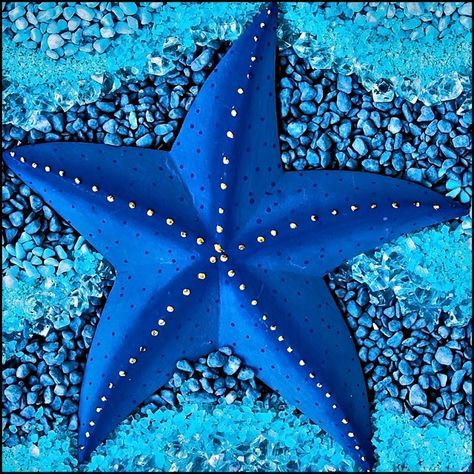
Can you travel to a color?
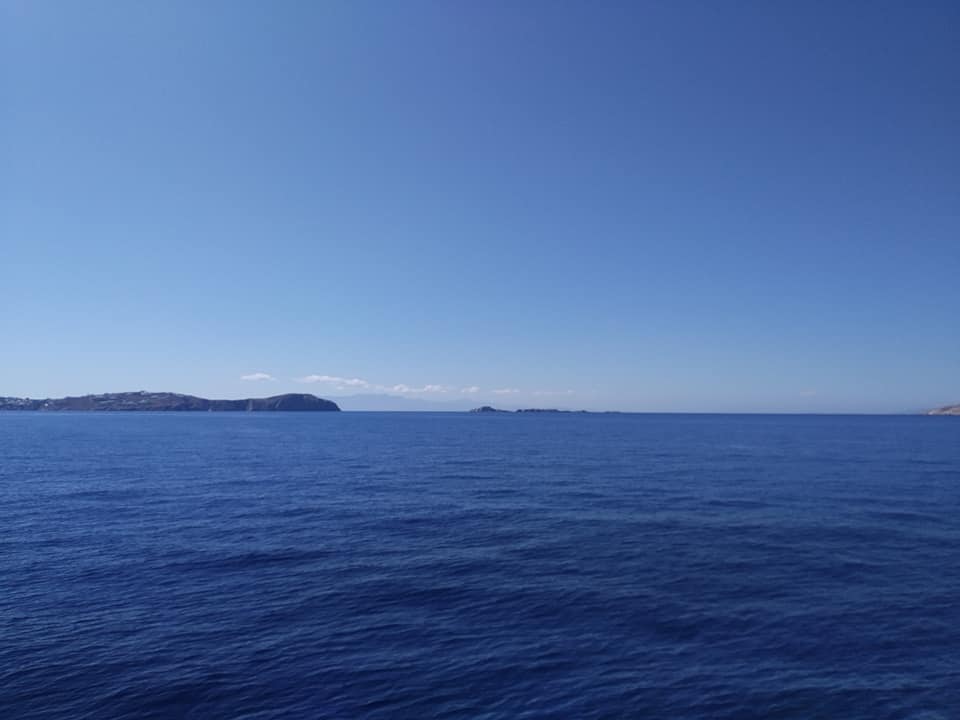
I have already arrived at my favorite.
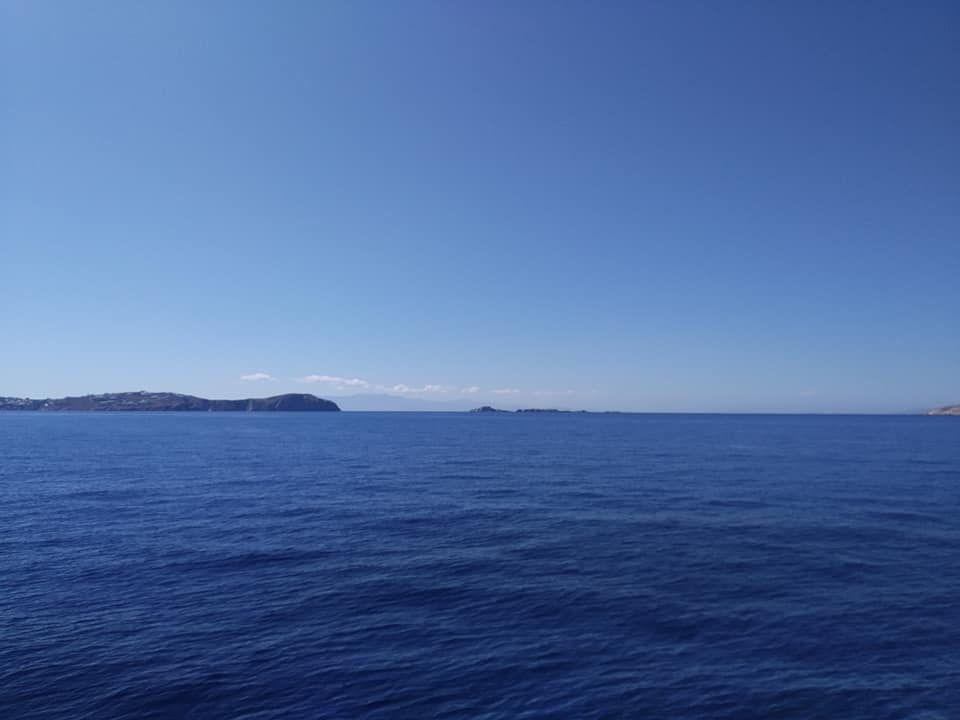
I am living in the Bluetiful Aegean.
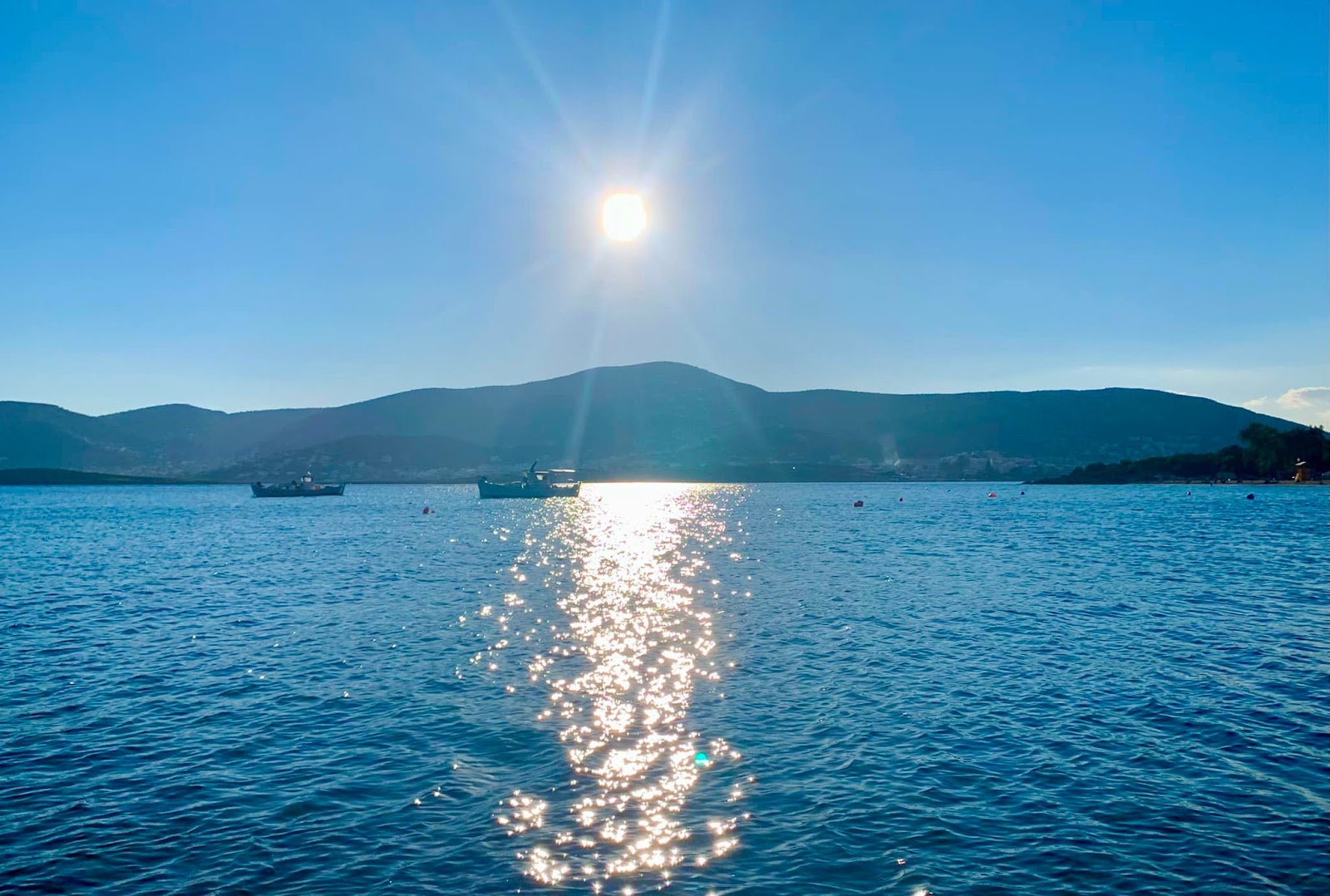
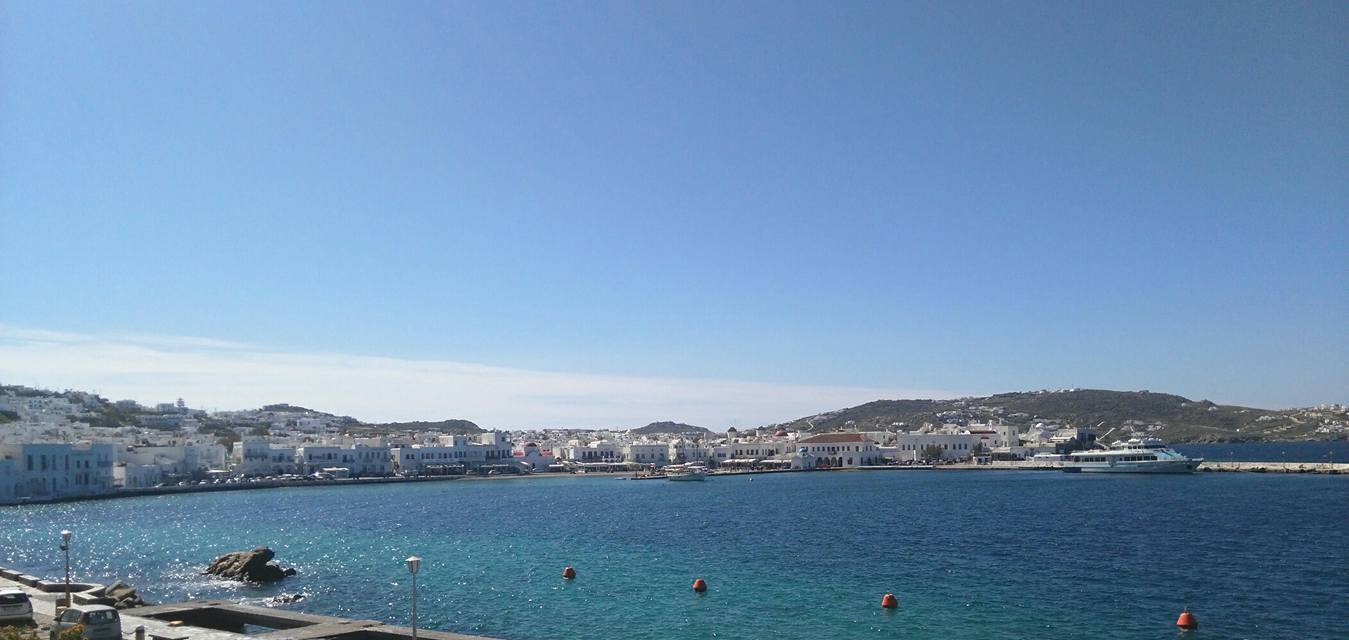
Everywhere you look–azure, ultramarine, cobalt, navy, pop!
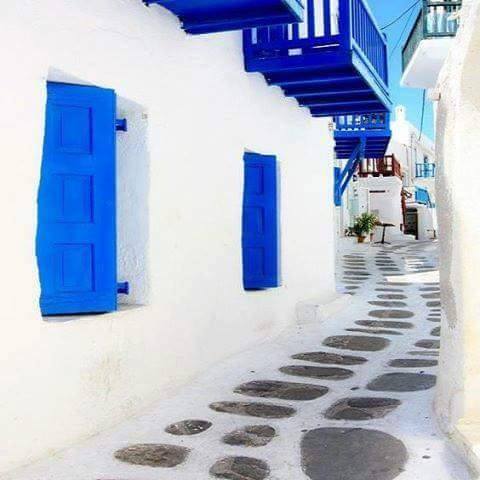
Sea, sky, roof tops, doorways, window shutters all distract in bluetiful shades of cerulean, sapphire and indigo.
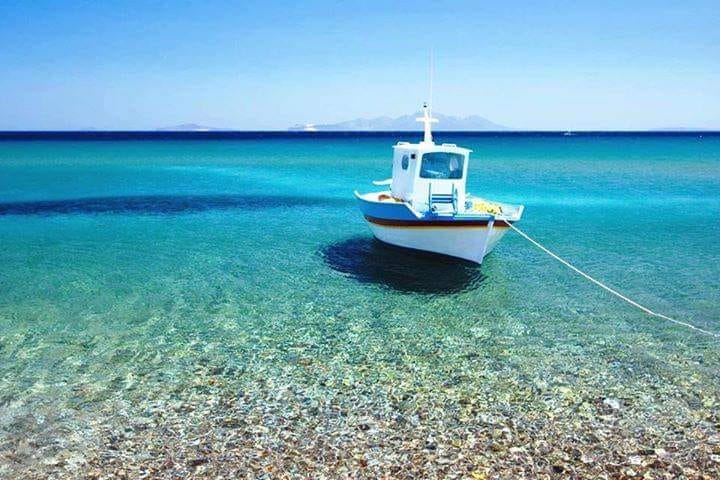
The Cycladic islands having competing vistas of air and sky shaded blue and demanding your attention.
The better known islands such as my home of Mykonos and iconic Santorini sell blue as if they invented it–and perhaps they did? More on that later. But other, lesser-known islands, also offer stunning blue to satiate the visual palate.
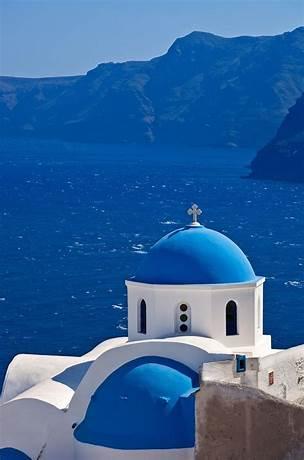
The Greek isles do not have the monopoly on bluetiful.
There are other locations that are renowned for their blue hue.
And so to be fair, below are destinations that are blue.
They are not my Aegean Blue.
But they are blue and they look attractive.
I have not been to any of them!
But they do rouse my curiosity.
And perhaps one day I will have the opportunity to visit other bluetiful places!
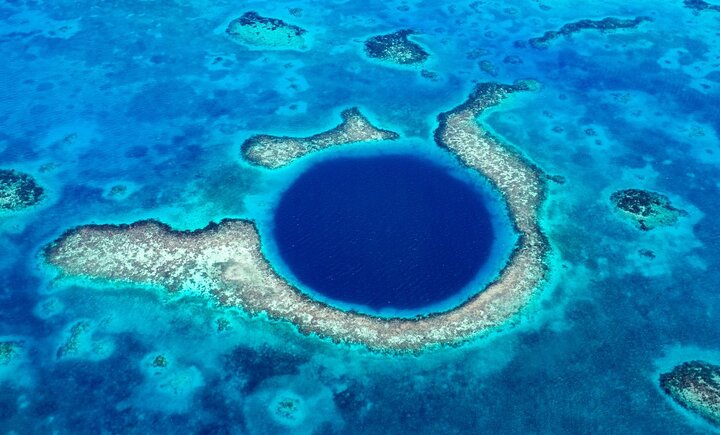
Great Blue Hole-Belize
Measuring 300 meters across and plunging to a depth of 125 meters, the Great Blue Hole is part of the UNESCO-listed Belize Barrier Reef System. It is one of the world’s most spectacular places to scuba dive. Snorkelers can explore fringing reefs close to the surface of this dramatic natural feature, while divers will enjoy excellent visibility while descending along a wall of coral. I hope to snorkel here one day but I would love to do a fly over first!
Blue Grotto-Croatia
Accessible only by diving until 1884, the Blue Grotto is now one of Croatia’s must-see landmarks. Blue Grotto (Modra Šilja) is a sea cave located on the small island of Biševo, just off the coast of Vis on the Dalmatian Coast. It is a part of the UNESCO Global Geopark. The cave is completely water-logged, and only accessible via a small boat through a very narrow entrance. It’s famous for its remarkable blue light, caused by the sun’s rays reflecting off the white floor of the cave and bouncing onto the limestone rock walls inside.

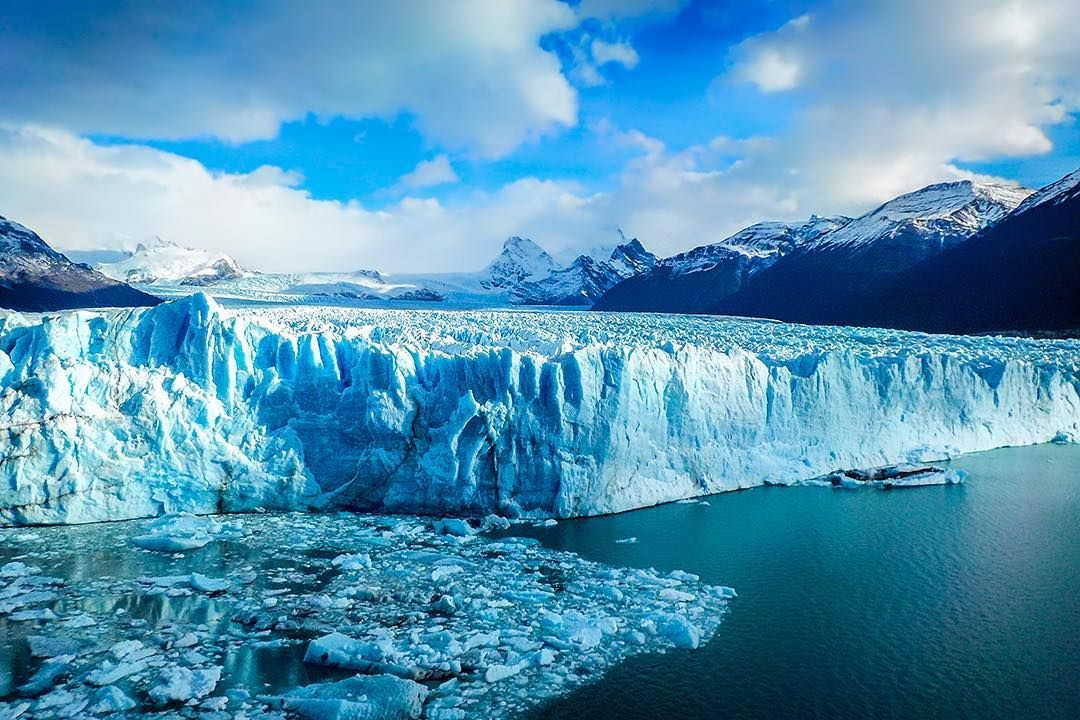
Perito Moreno Glacier-Argentina
Perito Moreno Glacier is located in Los Glaciares National Park, a UNESCO World Heritage site that’s part of the third-largest freshwater reserve on the planet. Milky-blue water surrounding the glacier adds contrast to its craggy edge; when the glacier sheds massive chunks of ice, it plunges into the lake with a thundering roar. Travelers can don crampons to explore the glacier on foot or simply take in the dramatic view from a sightseeing cruise across the lake.
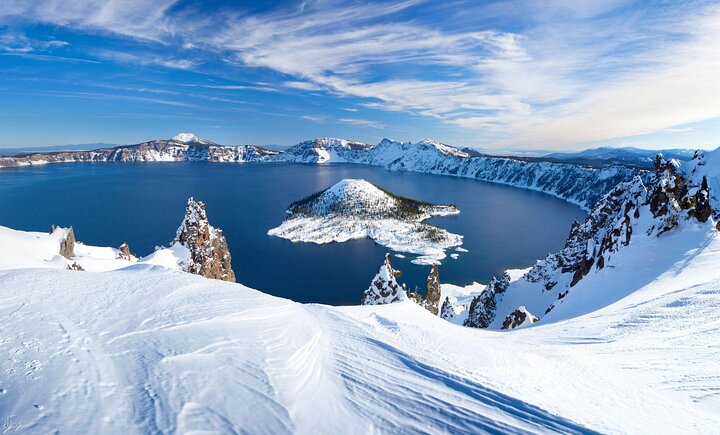
Crater Lake-Oregon, USA
America’s deepest lake, with pristine water that goes down to 594 meters, can be found in the crater of a dormant volcano, Mount Mazama, in south-central Oregon. Since no river feeds into the lake, every drop of water comes from rain and melted snow. That means it’s one of the clearest and cleanest lakes on earth, which only amplifies the dramatic hue. Its azure waters can be seen from the 50 kilometers Scenic Rim Drive that wraps all around the caldera.
Júzcar-Spain
“Smurf Village” is the nickname of the small blue village in Andalusia. Sony Pictures chose Júzcar as a promotional site for the release of “The Smurfs” movie in 2011. To create a Smurf-themed village, the company painted all the buildings in the village blue, including homes, churches, and public buildings. The village embraced its new identity, organizing Smurf-themed events and activities to continue attracting visitors. This change has since become a defining characteristic of Júzcar, setting it apart from other traditional white villages in Andalusia. The plan was for the village to revert back to its original white color scheme after the release – but the residents liked it so much, they voted to keep Júzcar blue!

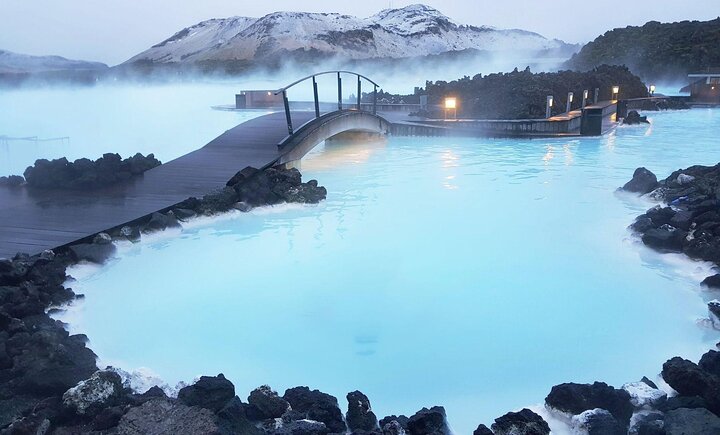
Blue Lagoon-Iceland
The Blue Lagoon is a man-made lagoon filled with water that comes from the nearby Svartsengi geothermal power plant. The water is rich in minerals like silica and sulphur, which are believed to have therapeutic benefits. The Blue Lagoon makes it easy to while away half a day in the warm, steamy outdoor pools with their distinctive, milky hue. The minerals in the Blue Lagoon’s water, especially silica, are known for their skin-healing properties. Many visitors with skin conditions like psoriasis report improvements after bathing in the lagoon. Although the lagoon might be artificial, that bright color is all-natural, the result of the sun’s reflection on silica in the water. The water in the Blue Lagoon is a byproduct of geothermal energy production. The Svartsengi plant provides both electricity and hot water for the surrounding area, showcasing a sustainable use of Iceland’s abundant geothermal resources.
Marble Chapels-Chile
The Marble Chapels are situated on General Carrera Lake, which spans both Chile and Argentina. The stunning geological formations can be accessed by boat and are located on the shores of General Carrera Lake. The Marble Chapels are made up of three main formations: the Marble Cathedral (Catedral de Mármol), the Marble Chapel (Capilla de Mármol), and the Marble Cave (Cueva de Mármol). These formations are composed of calcium carbonate and have been sculpted by the lake’s turquoise waters over thousands of years. The swirling patterns and varying shades of blue, grey, and white are a result of mineral impurities. The reflections of the water and the interplay of light create a mesmerizing effect, making the marble appear to glow from within. The Blue Chapels, born of water erosion in the karst formations, are ideal to visit during autumn and spring in the southern hemisphere when the lake’s water level is higher.

Bluetiful is bountiful!
Yes, there are plenty of Bluetiful places to explore when seeking “the blues.”
My personal bias insists you start with Greece in seeking Bluetiful locales to journey to!!!
What’s your favorite blue location?
Next time I will tell you about the history of blue and why it is sooo attractive!


 Stacey Seaside
Leave a reply to tomasocfu Cancel reply