
It is my favorite venue
But I have never set foot inside the place
Interest in the site has grown in the past decade
Because it is everything that Mykonos is not.
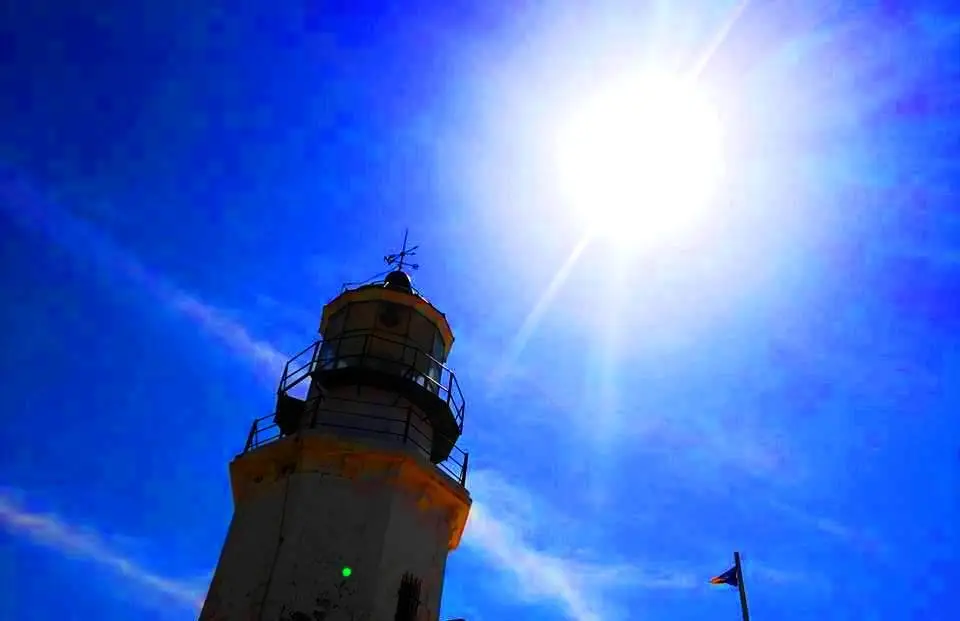
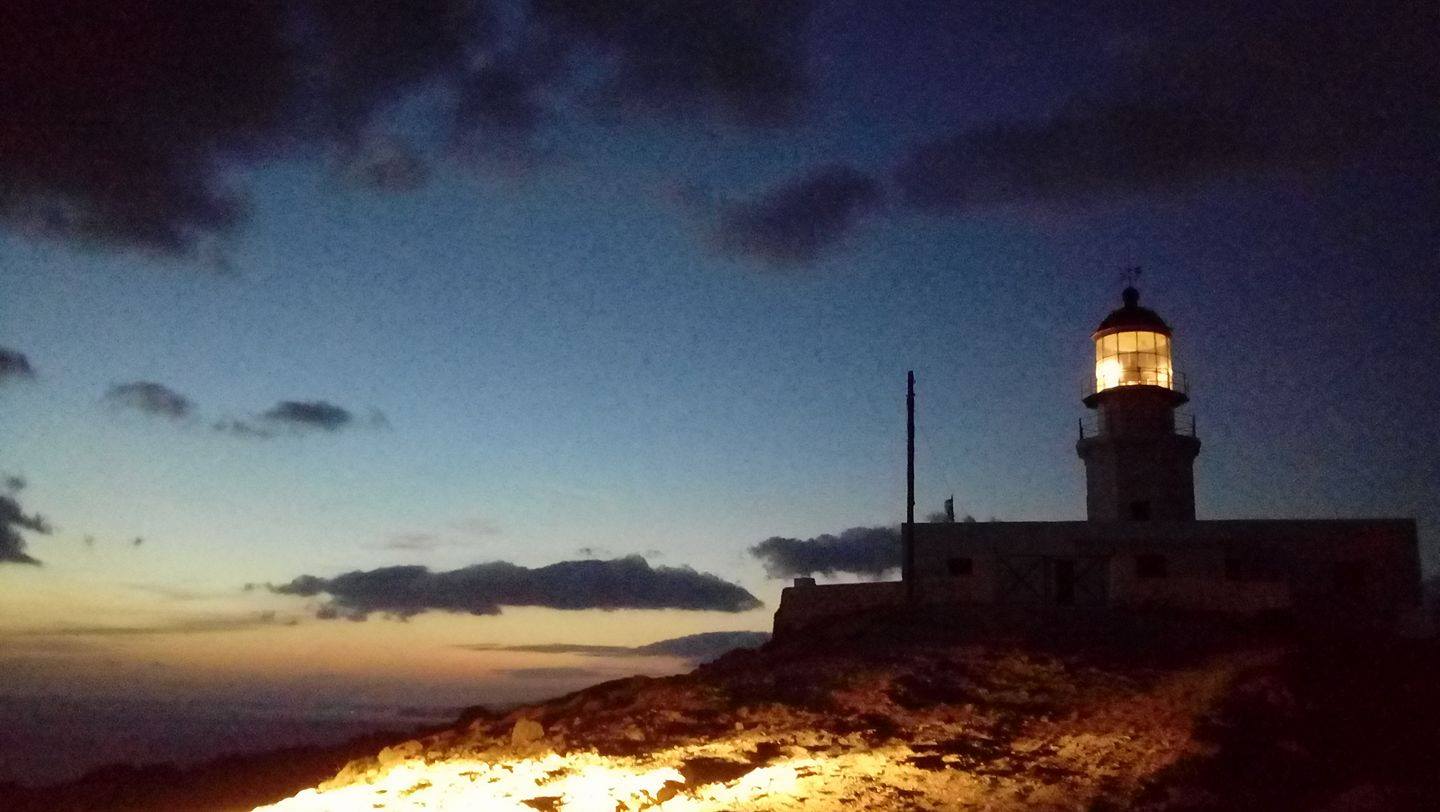
My lighthouse—Armenistis watches the rocky passage below and the deep channel across the water to Tinos.
It has stood as a sentinel for seafarers and dreamers since 1891.
It was conceived because of a tragedy and continues to function to avoid another.
A beacon in the northwest
Set atop a cliff at the northwest tip of the island it is not easily seen from land.
As the road snakes up coming from Agios Stefanos through Hoolakia there is no hint of its existence. Only as you near the top and the road surface goes from asphalt to gravel do you spot the windowed cupola.
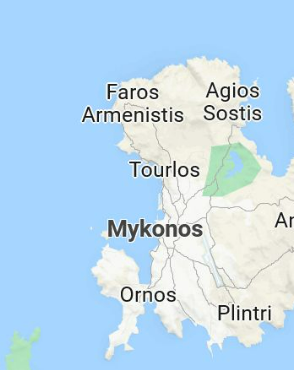
What’s in a name?
The Greek word “Armenistis” (Αρμενιστής) is derived from the Greek verb “αρμενίζω” (armenizo), which means “to sail” or “to navigate.”
“Armenistis” can be translated to mean “sailor” or “navigator.”
In the context of my lighthouse, the name aptly reflects its purpose and function. Locals use Armenistis and Fanari interchangeably. Fanari is the Greek word for lighthouse.
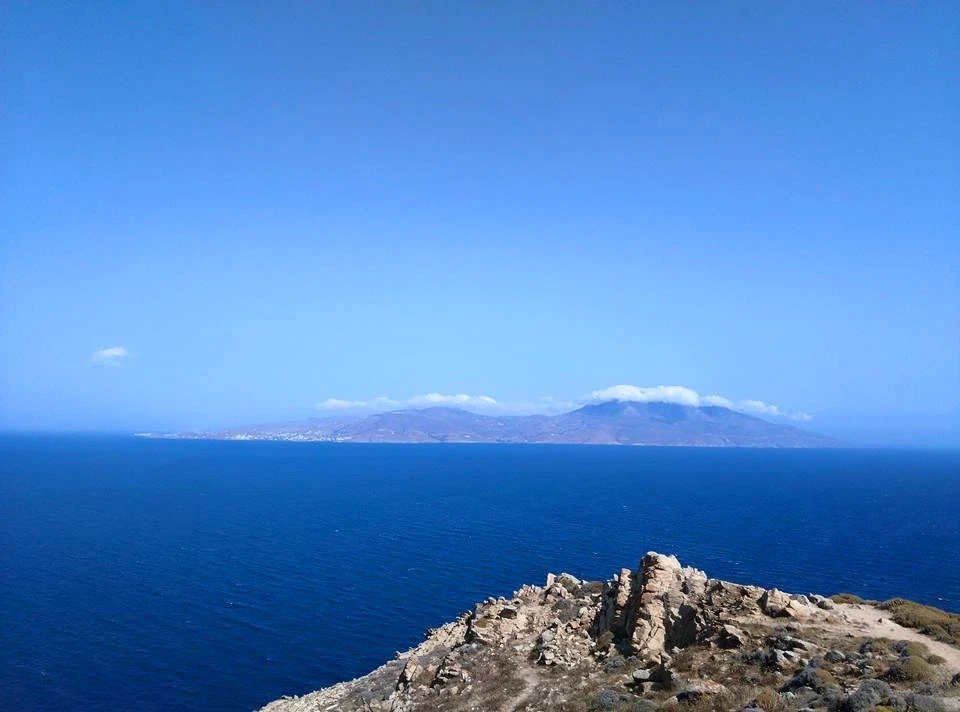
When I drive to Fanari–the name of the area, from my home in Argyrenna, the road leads to this perspective.

It is both a dramatic and calm arrival as the road becomes straight and open after a series of hairpin turns across steep inland hills.
I visit this place at least once a month.
I like to bring visitors here that want to know another Mykonos.
The area is a naturally dramatic setting.
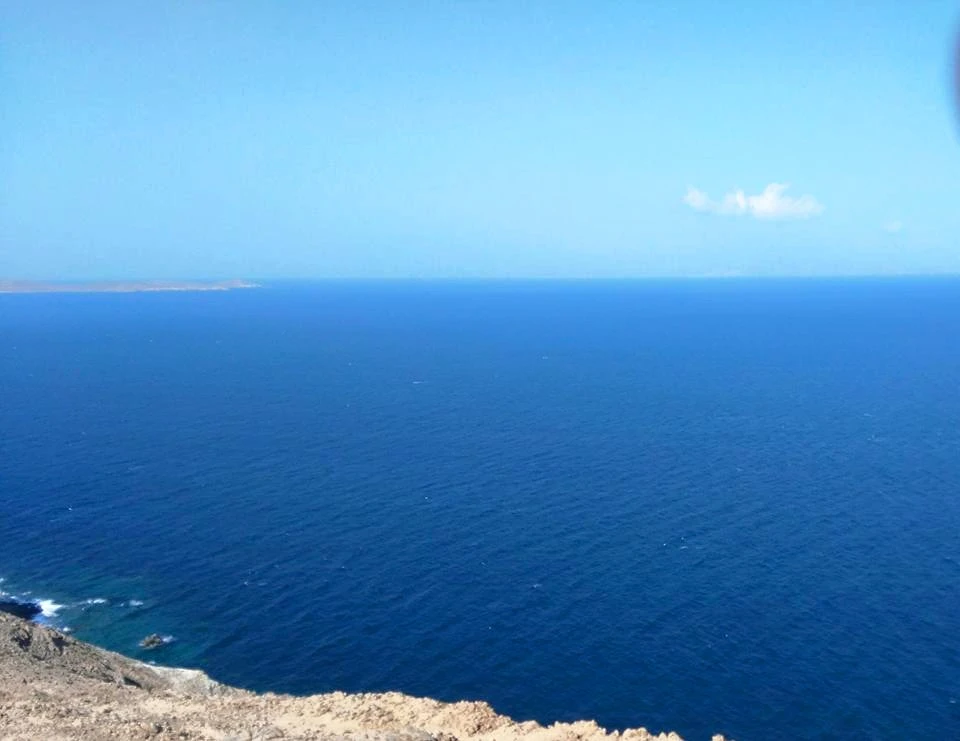
Mountainous Tinos laying watch across the water, the narrow beacon standing high–with clouds surrounding or the Big Blue–both in terms of sky and water.

It takes your breath away.
Whether I study its threshold, contemplate its highest point or turn my back entirely to it, each view provokes pensive perspective.
A place of contemplation in solitude
A place where I come to feel small
A place to remind myself that my life, my trouble is not so big.
Sunsets and prosecco
It also offers incredible sunsets over the water.
I like to bring friends here with a bottle of prosecco to toast our sundown together in this big blue place.
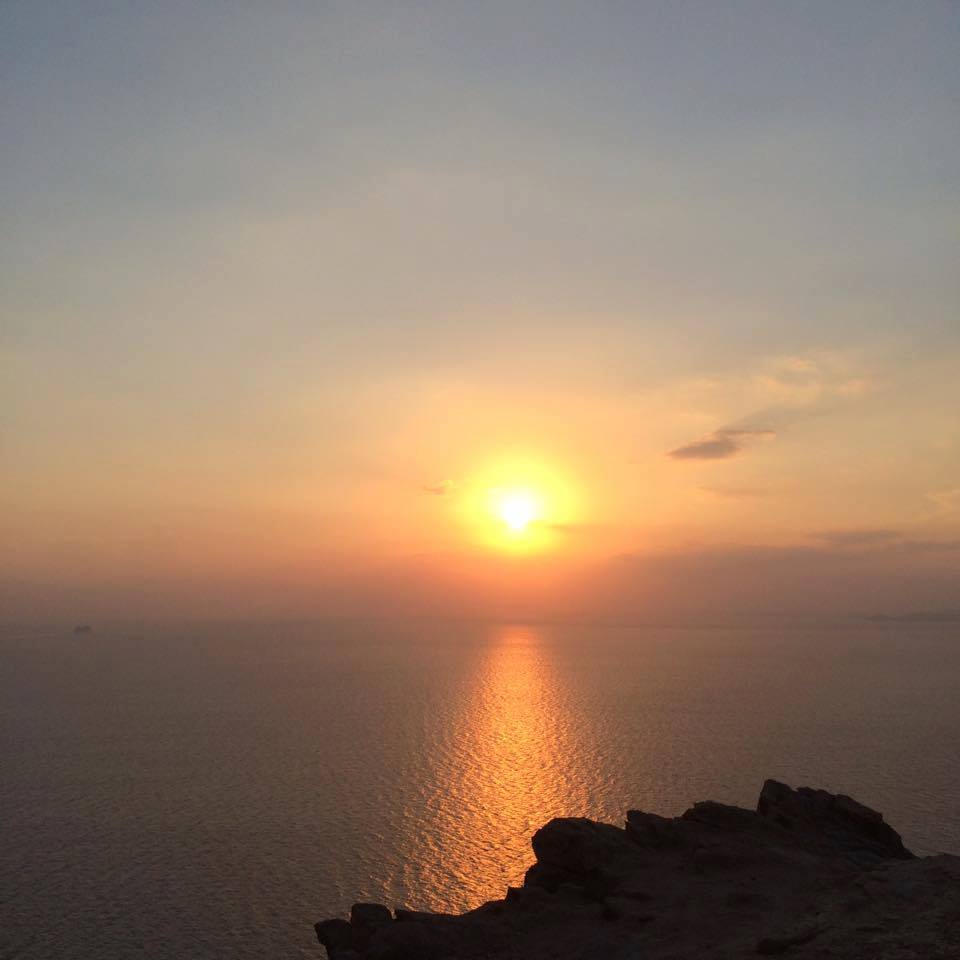
My lighthouse is so beautiful.
But it came to be through a tragedy.


11 souls lost
In 1887, the British steamship Volta sank off the coast of Mykonos, resulting in the loss of 11 lives. This incident underscored the need for a lighthouse to guide ships safely through the treacherous waters of the northern Aegean Sea.
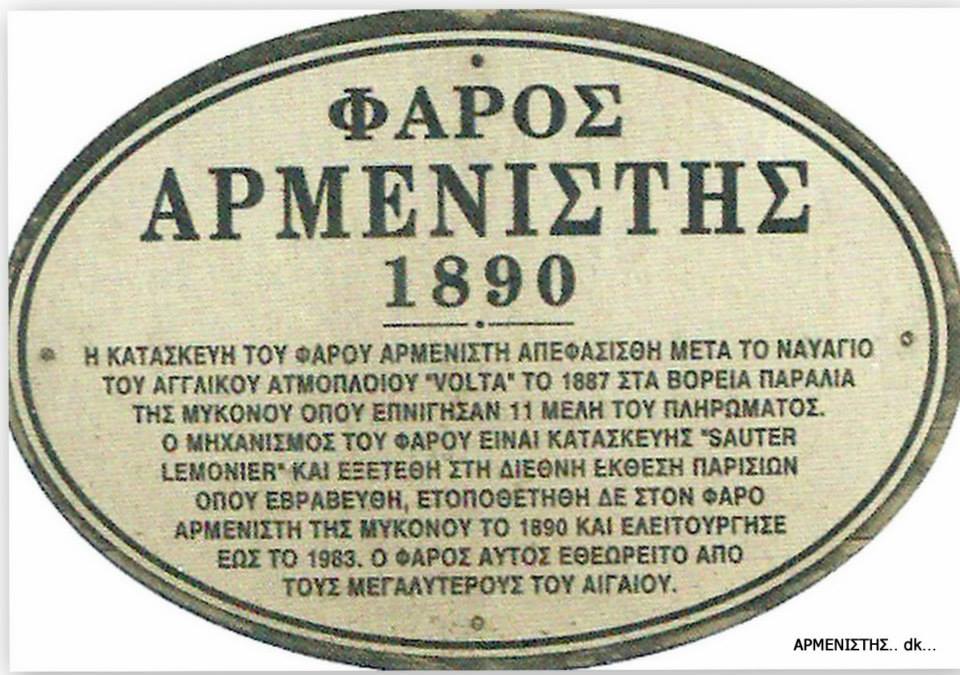
Construction of Armenistis was completed in 1891. Designed to enhance the safety of sea travel in the region, it stands approximately 19 meters (about 62 feet) tall. 184 meters (about 604 feet) above sea level it offers visibility to ships from a considerable distance.
When it first became operational, the lighthouse utilized a large rotating beacon with a focal length of 20 nautical miles. It was powered by an oil lamp, which was typical for the period. Which meant of course there would be a need for a nightly lighter of the lamp. Several generations of families lived in the lighthouse. On Sunday’s they made the trek into town by donkey or on foot to attend church, and shop for weekly supplies. The stories of those families I have saved for another post because there are truly tales of hardship and isolation.

The mechanism of the original lamp in the lighthouse was created by SAUTER LEMONIER, awarded by the International Exhibition of Paris. The mechanism continued to function until 1983. Over the years, the Armenistis underwent several upgrades. In the mid-20th century, it was electrified, significantly improving its operational efficiency and the intensity of its light.
Like many lighthouses around the world, Armenistis was eventually automated, reducing the need for a constant human presence and making use of modern technology to ensure its reliability.

Mykonos Municipality as well as private individuals have made efforts to preserve the lighthouse as an important cultural and historical landmark. It is maintained by the Hellenic Navy’s Hydrographic Service, which oversees the operation of lighthouses throughout Greece. As the Hellenic Naval Ministry is responsible for the site, maintaining the structure has been slow going. Fortunately the Mykonos Anemomyli Dance Troupe have volunteered both their time and materials to paint the lighthouse every spring.

Over the past decade concert performances have been scheduled in the autumn. But even in September, when the Northerlies subside, the performances were shifted to the town’s little theatre because the gale was too strong. Perhaps Aiolos was protecting this sacred place so it would not be overrun with too many folks?

Armenistis is a testament to the maritime history of Mykonos as well as the isolation of island life.
The lighthouse continues to be a navigational aid and save lives–particularly for sailors in small craft who traverse the Aegean for the first time.
My lighthouse continues to be a point of reference for me–a beacon to point the way when I am lost. I am so thankful to have this place of beauty, of isolation, of drama, of an unending blue.
I hope you too, have a beacon to guide you as I have Armenistis.


Leave a Reply