
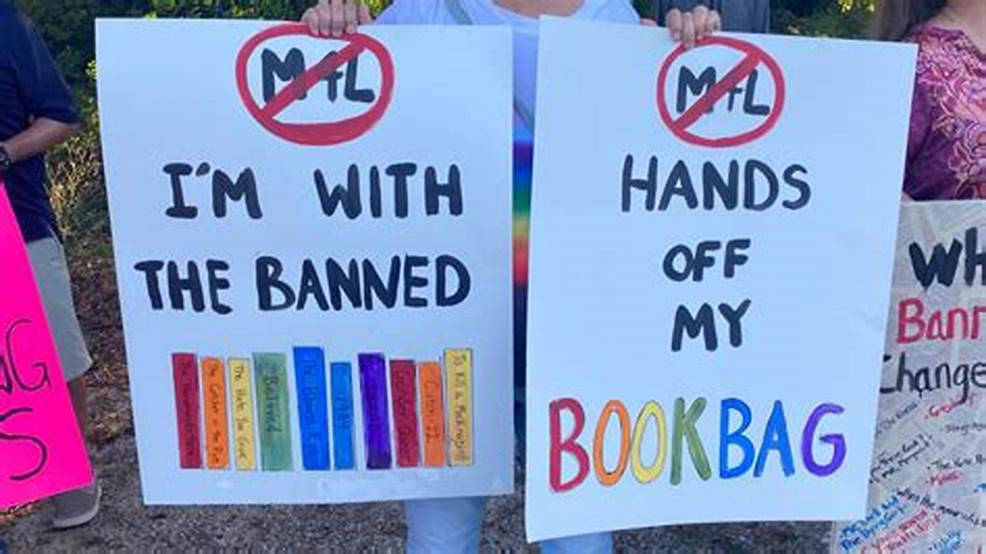
PRIDE month is just nearing its end.
But the fight for “PRIDE,” continues in the Supreme Court as we move to the end of the month and their session.
Banning books from Maryland schools about non-traditional relationships is on the docket.
The Supreme Court has not yet released a final ruling in Mahmoud v. Taylor, the case concerning whether parents can require opt‑outs from LGBTQ-inclusive storybooks like Prince & Knight and Uncle Bobby’s Wedding. The justices heard oral arguments on April 22. A decision is expected within the next few days.
Books and PRIDE are two concepts very close to my heart.
Book bans are intrinsically evil anyway. But a book ban targeting the topic of LGBTQ+ identity ignites my rebellion exponentially.
Mahmoud v. Taylor asks whether public schools must allow religious parents to opt their elementary-aged children out of lessons involving optional LGBTQ-themed books, such as Prince & Knight (3rd grade) and My Rainbow (2nd grade).

These books were part of Montgomery County Public Schools’ supplemental language-arts program—available for reading groups or as read-aloud—but not mandatory. Parents argue forcing kids to be present violates their free exercise rights, while the district says the books are educational diversifiers and the volume of opt‑outs became “unworkably disruptive.”
If the Court rules for the parents, schools may have to provide prior notice and opt-out options for lessons involving LGBTQ-themed content—even when supplemental—not just mandatory lessons.
If the Court upholds lower courts, schools could continue using inclusive literature without accommodating opt-outs for those materials.
Legal analysts warn that a decision favoring the parents could impose opt-outs for any curriculum element deemed religiously objectionable—potentially creating a broad “Don’t Say Gay” style rule nationwide.
Books allowed me to grow as a person throughout my life. Books exposed me to new worlds, new cultures, times of the past, potential times in the future and so very many new ideas. They fuelled my imagination and my intellect. My life is so much richer today because I had the opportunity to read anything and everything.

PRIDE is a celebration of identity and a movement for rights and equality. I have had the privilege of being present for Athens PRIDE for the last few years.
PRIDE is not just about being proud—it’s about claiming space, demanding justice, and celebrating authenticity in a world that hasn’t always allowed LGBTQ+ people to live openly and safely. Pride encourages LGBTQ+ people to embrace who they are—without shame, fear, or apology.
PRIDE counters the historical and ongoing marginalization that leads to internalized stigma or societal discrimination. Pride events are not just celebrations—they’re also platforms for activism, promoting legal rights, healthcare access, safety, and inclusion. They highlight ongoing issues like discrimination, violence against LGBTQ+ people, and barriers to equality. And June is PRIDE month.
PRIDE matters because it affirms human dignity and worth, challenges systems of oppression, educates others about LGBTQ+ history, struggles, and contributions and encourages acceptance and alliance.
Pride Month is celebrated every June to honor the LGBTQ+ community and commemorate the Stonewall Riots of June 1969, a pivotal moment in the fight for LGBTQ+ rights in the United States. Pride is a time for visibility, celebration, and advocacy for equality and acceptance.

Bans also go after the cultural diversity of minorities or other marginalized communities, often referred to as BIPOC. BIPOC is an acronym that stands for “Black, Indigenous, and People of Color.” It’s a more specific alternative to terms like “marginalized” or “minority.
As PRIDE month winds down, 5 books in Maryland public schools with subject matter related to LGBTQ+ identity will either remain on the shelf or be removed altogether, thanks to the decision by the Supreme Court.
A prince lassos a dragon, saving a knight in shining armor from certain death.
But the prince slips and as he falls, the knight and his steed race to return the favor.
Then the two men fall in love.
- Title: Prince & Knight
- Author: Daniel Haack
- Published: 2018
- Plot: A fairy-tale story where a prince falls in love with a knight, celebrating LGBTQ+ representation.
That story, “Prince and Knight,” is one of five children’s books featuring LGBTQ characters and aimed at kindergarten through the fifth grade that have roiled a diverse suburban Maryland school district.
The parents argue that public schools cannot force kids to participate in instruction that violates their faith. They point to opt-out provisions in sex education and note that the district originally allowed parents to pull their children when the storybooks were being taught before abruptly reversing course.
But isn’t school a place to learn about why and how the world is different?
The court seems likely to find that the Montgomery County school system, in suburban Washington, could not require elementary school children to sit through lessons involving the books if parents expressed religious objections to the material.
The case is one of three religious rights cases at the court this term. The justices have repeatedly endorsed claims of religious discrimination in recent years.
The school district introduced the storybooks in 2022, with such titles as “Prince and Knight” and “Uncle Bobby’s Wedding,” as part of an effort to better reflect the district’s diversity.

Parents initially were allowed to opt their children out of the lessons for religious and other reasons, but the school board reversed course a year later, prompting protests and eventually a lawsuit.
In all, five books are at issue in the high court case, touching on the same themes found in classic stories that include Snow White, Cinderella and Peter Pan, the school system’s lawyers wrote.
In “Prince and Knight,” two men fall in love after they rescue the kingdom, and each other. “Love, Violet” deals with a girl’s anxiety about giving a valentine to another girl. “Born Ready” is the story of a transgender boy’s decision to share his gender identity with his family and the world. “Intersection Allies” describes nine characters of varying backgrounds, including one who is gender-fluid.
How does book banning affect PRIDE?
Erasure of LGBTQ+ Voices:
Banning books with LGBTQ+ characters or themes silences the stories and experiences of queer people, especially youth who are looking for representation and understanding.
Increased Stigma:
Censoring LGBTQ+ content sends a message that queer identities are inappropriate, wrong, or shameful—reinforcing prejudice and discrimination.
Mental Health Impact:
Lack of representation and affirmation can increase isolation, anxiety, and depression among LGBTQ+ youth, who already face higher risks of mental health challenges.
Undermines Education and Empathy:
Inclusive books foster understanding, empathy, and respect. Removing them limits students’ ability to learn about diverse perspectives and human experiences
So what are the chances that a 6/3 conservative/liberal set of justices will allow the books?
Let’s just cut to the chase. Of course they will uphold the parent’s right to censure what their child is exposed to in a public school.
A public school.
Supposedly we live in a country that respects the freedom to worship any and all religions. And the country was founded on the premise that the federal government, or any government-state and municipal included, is not aligned with any faith.
But we are in Trump Regime 2.
So here we are, facing the limited minds who insist on banning books with such righteousness.
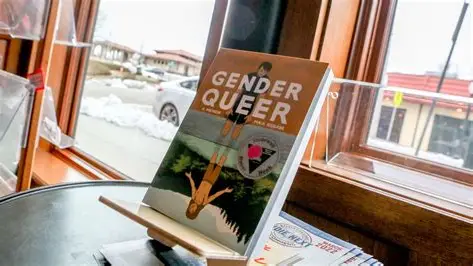
Book banning undermines the very notion of public education.
Education is not just about learning facts but about engaging with complex, challenging, and sometimes uncomfortable ideas. Book banning deprives students of the opportunity to analyze, question, and form their own opinions.
Banned books often include voices from marginalized communities or explore controversial historical and social issues. Removing them narrows students’ exposure to diverse viewpoints and experiences, fostering ignorance rather than understanding.
Banning books sends a message that certain topics or perspectives are too dangerous to discuss. This runs counter to the educational goal of encouraging open inquiry and civil discourse.
When book banning reflects political or ideological agendas, it shifts education away from serving students and society and toward serving specific interest groups.
Educators are trained to select age-appropriate and educationally valuable materials. Banning books can imply mistrust of teachers and librarians, discouraging professional autonomy and innovation in the classroom.

Book banning erodes the fundamental purpose of public education: to develop informed, open-minded, and capable citizens. A strong public education system encourages students to think for themselves, not to be shielded from the world’s complexities. By promoting access to a wide range of literature, schools uphold the values of democracy, equity, and intellectual freedom.
There is a wonderful section in Frank McCourt’s “Angela’s Ashes” where the protagonist recounts what his teacher says about learning. Frank says, Mr. O’Halloran, stands out from the rest. While most of the teachers in Limerick are harsh or indifferent, Mr. O’Halloran genuinely cares about his students’ futures. He tells the boys that their lives don’t have to be limited by poverty or their surroundings. He emphasizes the power of education and the written word, saying that a mind filled with knowledge is a mind no one can enslave.
Mr. O’Halloran urges them to read everything they can get their hands on—books, newspapers, anything—because knowledge can lift them out of their situation. He makes it clear that the real treasure isn’t money or possessions, but what’s in your head. If you can think, reason, and understand the world, you’re already free in a way that poverty can’t touch.
This message deeply affects Frank and stays with him. It becomes one of the driving forces behind his desire to escape Ireland and build a better life.
How very important are these early lessons about being okay with who you are and who you aren’t. Certainly they will help you to develop fully into the person you want to become? And how important is it that new knowledge can lift you out of a current situation–to know that you are not alone in the world, that others have also faced these same challenges and offer ideas and options on how to both survive and eventually thrive.
Book banning is particularly harmful to PRIDE because banning contradicts the very purpose of Pride: to affirm, include, and celebrate LGBTQ+ people in all parts of society—including classrooms and libraries.
The purpose of public education is multifaceted, but at its core, it aims to:
Equip individuals with the knowledge and critical thinking skills necessary to participate in a democratic society.
Provide all children, regardless of background, with access to education that can lead to personal and professional growth.
Encourage students to explore ideas, values, cultures, and perspectives that help shape ethical and empathetic individuals.
Provide the academic and social skills necessary for future success.
Create shared knowledge and experiences that help unify diverse communities.
I am not questioning your right to have your child learn about and actively practice your faith.
And if you want your child to EXCLUSIVELY KNOW ONLY YOUR FAITH AND NOTHING ELSE, then perhaps you need to select a private school that shares your beliefs and what you want your children to exclusively learn.
For the rest of us, that contribute our tax dollars to fund public schools, we insist that the schools embrace every individual. We must show the diversity of the nation and its cultures by informing students about ALL existing societies and cultural motifs. Once educated and exposed to this diversity, they can use their critical thinking skills to decide how they feel about this and make their own choices on how they will filter information.
I am going to route for “Prince and Knight.” Let the book remain on the curriculum in Maryland’s public elementary schools. And the Supreme Court should tell the parents to take their kids someplace else so they will not gain a broad view of a diverse world.
Who’s with me?

And to add to provocation below is the most recent list of books on the most popular “banned” lists since 2016! And one additional note: amazingly, the minute a book gets banned the search engines are awash with queries about the book, the topics it covers and results in even more reading of the tome!
1. Gender Queer: A Memoir by Maia Kobabe
A graphic memoir about non-binary identity—most frequently targeted since 2020, removed repeatedly from schools and libraries due to “LGBTQ+ content”
2. All Boys Aren’t Blue by George M. Johnson
Autobiographical essays exploring Black queer identity—ranked among the top challenged books from 2021–2024, removed in at least 10 states
3. The Hate U Give by Angie Thomas
Critically acclaimed novel addressing race and police violence—removed in 2017–2024 from several districts (Texas, Florida, Minnesota) for alleged profanity and “anti-police” themes
4. The Bluest Eye by Toni Morrison
Frequently banned since 2021 due to sexual content and racial themes—targeted in national challenges
5. John Green’s Looking for Alaska, Stephen Chbosky’s The Perks of Being a Wallflower, and Jodi Picoult’s Nineteen Minutes
These YA novels regularly appear among the top banned lists (top 10 during 2023–2024 school year), removed primarily for sexual content and sensitive themes .
6. Margaret Atwood’s The Handmaid’s Tale and Khaled Hosseini’s The Kite Runner
Ranked among the top 10 banned titles in 2023–2024, cited for sexual and political content .
7. Ellen Hopkins’s works: Tricks, Crank, Identical
YA novels removed often in 2023–2024 due to their explicit handling of sex, drugs, and teen issues
8. Jay Asher’s Thirteen Reasons Why
Removed in multiple states (FL, MI, NC, SC, UT, TX, ND, PA) by 2024, due to suicide, sexual assault, and drug references .
9. Sherman Alexie’s The Absolutely True Diary of a Part‑Time Indian
Consistently challenged for racial content and profanity—pulled from school libraries as recently as 2023–2024
10. Oryx and Crake by Margaret Atwood
Banned in various districts from 2023–2024, cited for adult themes and perceived LGBTQ content
| Title | Author(s) | Reason(s) Cited |
|---|---|---|
| Gender Queer | Maia Kobabe | LGBTQ+ content, explicit themes |
| All Boys Aren’t Blue | George M. Johnson | LGBTQ+ content |
| The Hate U Give | Angie Thomas | Profanity, racial themes |
| The Bluest Eye | Toni Morrison | Sexual content, racial themes |
| Looking for Alaska | John Green | Sexual themes, LGBTQ+ content |
| The Perks of Being a Wallflower | Stephen Chbosky | Sexual content, abuse depiction |
| Nineteen Minutes | Jodi Picoult | School shooting, rape depiction |
| The Handmaid’s Tale | Margaret Atwood | Sexual violence, political theme |
| The Kite Runner | Khaled Hosseini | Sexual violence, cultural themes |
| Thirteen Reasons Why | Jay Asher | Suicide, sexual assault |
| Tricks / Crank / Identical | Ellen Hopkins | Explicit teen issues |
| The Absolutely True Diary… | Sherman Alexie | Racial, sexual content |
| Oryx and Crake | Margaret Atwood | Adult, sexual, gender themes |
| Drama, George, I Am Jazz, This One Summer… | YA graphic novels & children’s | LGBTQ+ representation, mature topics |
UPDATED ON Saturday, June 28 2025
Sad news came on Friday, June 27 with the decision from the Supreme Court. Parents will be allowed to opt their children out of curriculum themes that are against their beliefs:
NEW YORK TIMES
Justices Let Parents Opt Children Out of Classes With L.G.B.T.Q. Storybooks
Maryland parents have a religious right to withdraw their children from classes on days that stories with gay and transgender themes are discussed, the court ruled.
By Adam Liptak
Reporting from Washington
June 27, 2025
Parents with religious objections to storybooks with L.G.B.T.Q. themes may withdraw their children from public schools when the books are discussed, the Supreme Court ruled on Friday.
Ruling in a case brought by Maryland parents who objected to books with gay and transgender characters, Justice Samuel A. Alito Jr. closely analyzed the messages the books conveyed, reproducing color images from them in an appendix to his opinion, and noted that they were written for young readers.
But the logic of Justice Alito’s majority opinion in the 6-to-3 decision seemed to sweep quite broadly, allowing parents with religious objections to demand that their children not be instructed about gay and transgender themes but also about many other topics.
Indeed, some legal scholars said the ruling would have broad consequences for the ability of public schools to manage their curriculums. In earlier cases, parents unsuccessfully challenged storybooks about wizards and giants along with course materials on yoga, evolution and women working outside the home. Under Justice Alito’s reasoning, legal experts said, those lawsuits might now succeed.
Justice Sonia Sotomayor announced her dissent from the bench, a rare move and a sign of profound disagreement.
In her written dissent, joined by Justices Elena Kagan and Ketanji Brown Jackson, she wrote that public schools “offer to children of all faiths and backgrounds an education and an opportunity to practice living in our multicultural society.”
“That experience,” she added, “is critical to our nation’s civic vitality. Yet it will become a mere memory if children must be insulated from exposure to ideas and concepts that may conflict with their parents’ religious beliefs.”
Justin Driver, a law professor at Yale, said the decision was deeply problematic.
“This decision succeeds in opening Pandora’s box in countless classrooms located in our nation’s public schools,” he said. “It unwisely grants parents and students the authority to, in effect, veto individual school lessons and assignments, thereby wreaking educational havoc.”
A lawyer for the parents, Eric Baxter of the Becket Fund for Religious Liberty, welcomed the decision.
“This is a historic victory for parental rights in Maryland and across America,” he said. “Kids shouldn’t be forced into conversations about drag queens, pride parades or gender transitions without their parents’ permission.”
The decision extended a winning streak for claims of religious freedom at the court, gains that have often come at the expense of other values, notably gay rights.

 Stacey Seaside
Leave a comment