
Just a little more time?
How often have we longed for that?
This occurs organically in nature.
Today, June 20th, we celebrate the summer solstice across the northern hemisphere,
Thanks to the tilt of the earth as it revolves we have extended daylight!
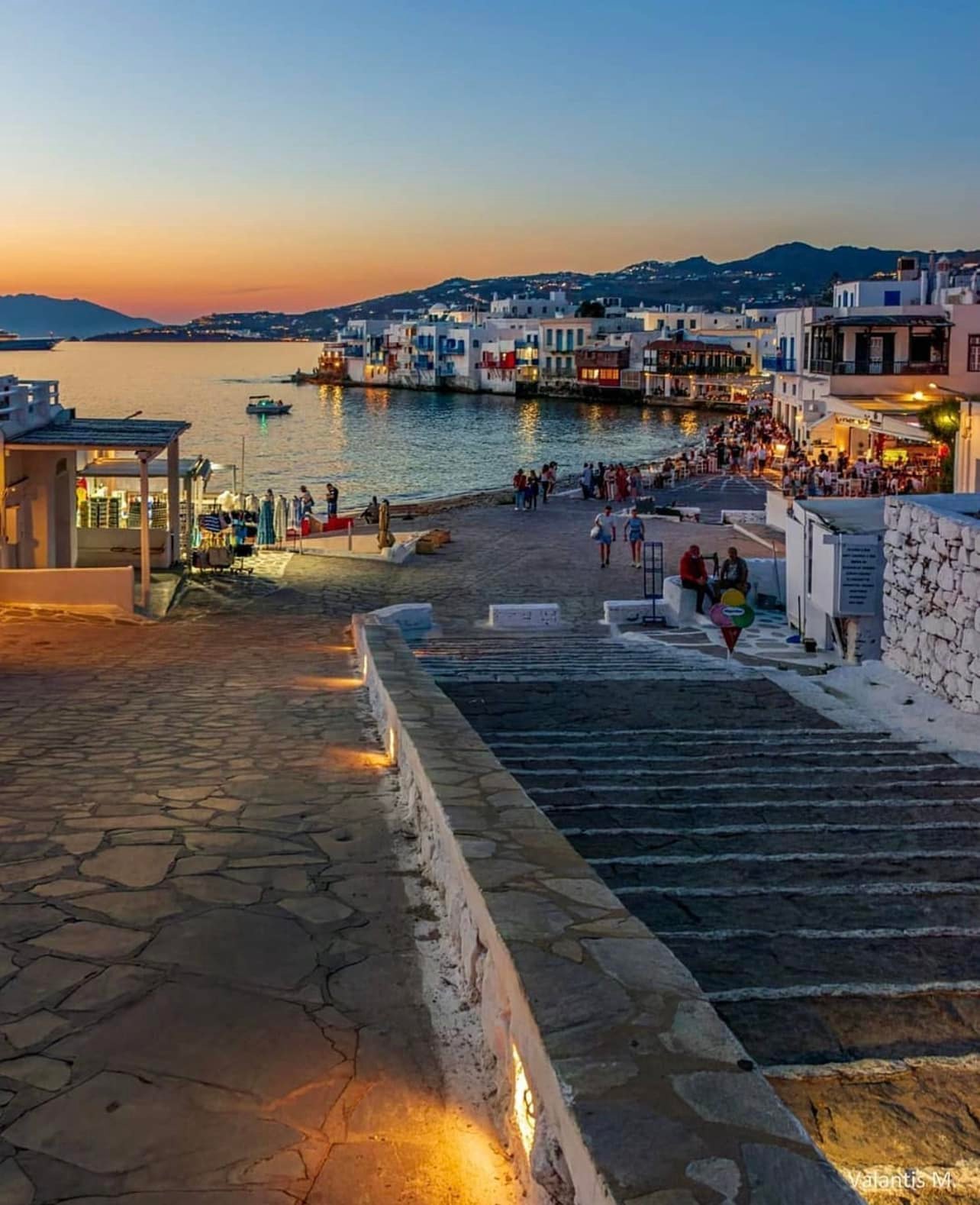
The natural beauty of Greece is the perfect setting to enjoy the day with longest amount of sunshine!
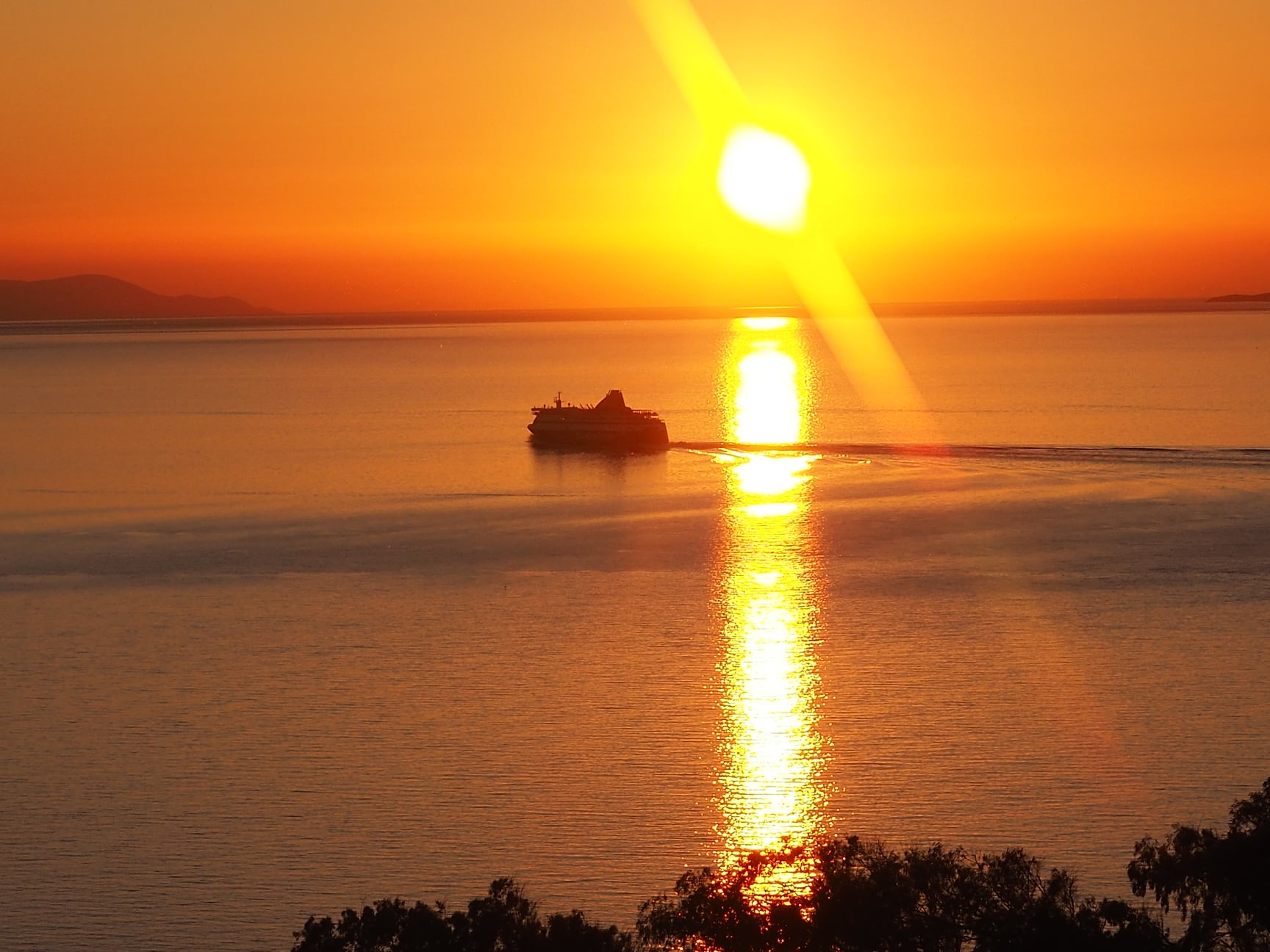
I always try to spend the evening of the solstice on the water’s edge–whether that means sipping a long one on the waterfront or heading to my “office,” also known as Maria’s place at Agios Stefanos to watch the sun disappear into the water.
In ancient Greece, the summer solstice was associated with various festivals and rituals. One notable festival was the Kronia, held in honor of Kronos, the god of time and agriculture. Social norms were temporarily suspended for this feast allowing slaves and masters to dine together.
The summer solstice was also important for agricultural societies in ancient Greece. It marked the midpoint of the growing season and was a time for various agricultural rituals and practices.
Klidonas
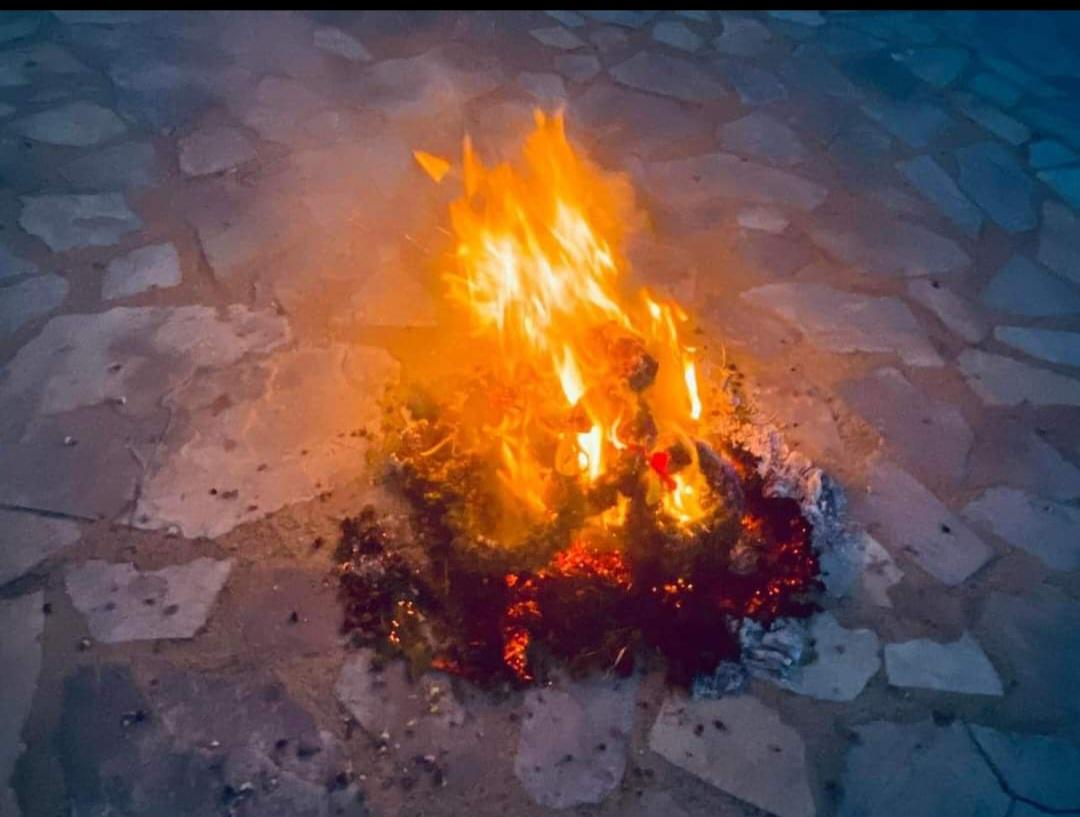
Today, the summer solstice does not attract much attention–but for the opportunity to enjoy more daylight and a later sunset. In Mykonos, a pagan ritual of sorts continues. Celebrated on the Feast of Saint John, on June 24, the biggest bonfire is lit at the windmills.
The burning of the May Day wreath on June 24 is part of a series of midsummer rituals known as Klidonas (Κλήδονας). The term Klidonas refers to a form of divination that takes place during these festivities. The wreath burning is believed to have cleansing and protective qualities, warding off evil spirits and ensuring good health and fortune.

In the evening, people gather their dried May Day wreaths, which have hung since May 1st.
A large bonfire is lit in an open space. Traditionally, this is done in village squares or neighbourhood open areas. Families bring their wreaths to the bonfire and toss them into the flames. As the wreaths burn, people often make wishes or say prayers.
A common practice is for young people, and sometimes adults, to jump over the bonfire. This act is believed to bring good luck and protect against illness.
The burning of the wreath symbolizes the end of spring and the beginning of summer, purifying the home and its inhabitants. It is a blend of ancient Greek customs and Christian beliefs, demonstrating the continuity and adaptation of cultural practices over time.

The event is also a time for communal celebration. Residents gather, often sharing food, music, and dance.
This unique tradition highlights Greece’s rich cultural heritage, where ancient and modern, pagan and Christian elements intertwine to create meaningful and vibrant practices. It strengthens community bonds and preserves traditional customs for future generations.

The solstice and astronomical alignments
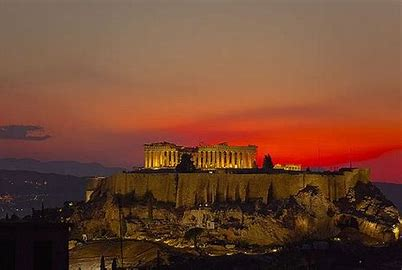
Many ancient Greek sites were built with astronomical alignments in mind. For instance, some temples and monuments are oriented to align with the sunrise or sunset during the solstice, showcasing the advanced understanding of astronomy by the ancient Greeks.

And if you can handle the heat or the gale wind–what better place to be for the solstice than on the island dedicated to the light of Apollo?
Delos, filled with ancient ghosts and the ruins of temples and monuments scattered across the island offer a spectacular natural show of light.
The summer solstice for the Northern Hemisphere occurs on June 20, 2024 but the summer solstice for the Southern Hemisphere occurs on December 21, 2024.
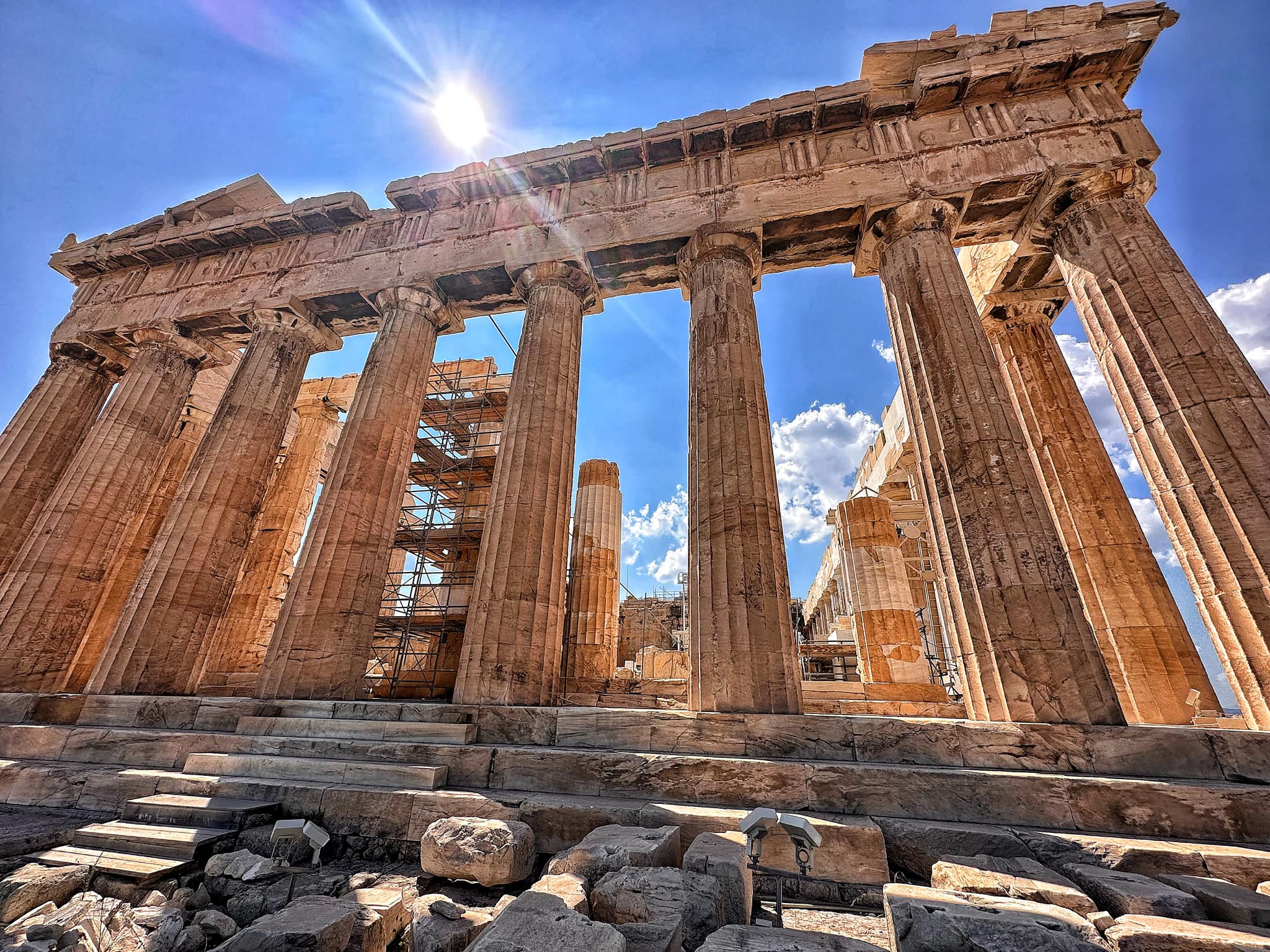
So how does a day get longer or shorter on earth?
The solstice–the longest day– occurs when one of Earth’s poles is tilted toward the sun at its most extreme angle. Due to Earth’s tilt, this happens twice a year. In the Northern Hemisphere, the summer solstice falls in June, while the Southern Hemisphere experiences the winter solstice. In the Southern Hemisphere, it falls in December, while the Northern Hemisphere experiences the winter solstice.

The longest day–the summer solstice?
It marks that moment when the sun reaches that point when it is positioned farthest north — 23.5 degrees from the celestial equator. This point on the Earth is known as the Tropic of Cancer. The word solstice literally means “sun standing still.” It is derived from combining the Latin words sol for “sun” and sistere for “To Stand Still”.
For the previous six months, the sun has appeared to migrate on a northerly course in the sky. At the moment of the solstice, that motion stops and then the sun will begin to move south. A motion that will continue for six months until the sun drops to its lowest point below the equator and then stop — another solstice point — marking the beginning of winter.
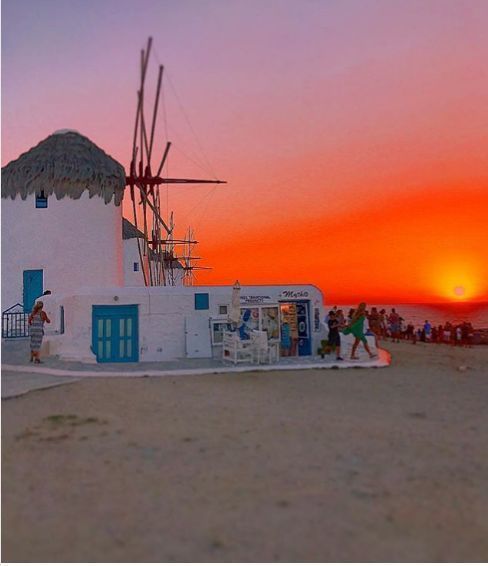
How many hours of daylight do we get on the summer solstice?
In the Northern Hemisphere, the length of daylight varies depending on the latitude. At the equator, the time from sunrise to sunset is about 12 hours. At temperate or mid-northern latitudes (approximately 40 degrees north) the length of daylight lasts about 15 hours. And for those who are north of the Arctic Circle (66.5 degrees north) the sun remains above the horizon for 24 hours. Greece, being close to the equator gets, will get almost 15 hours of sunlight. Sunrise is at 5: 57 am and sunset is at 8:43 pm. And tonight we have a full moon coinciding with the solstice, The night will be alight as well!
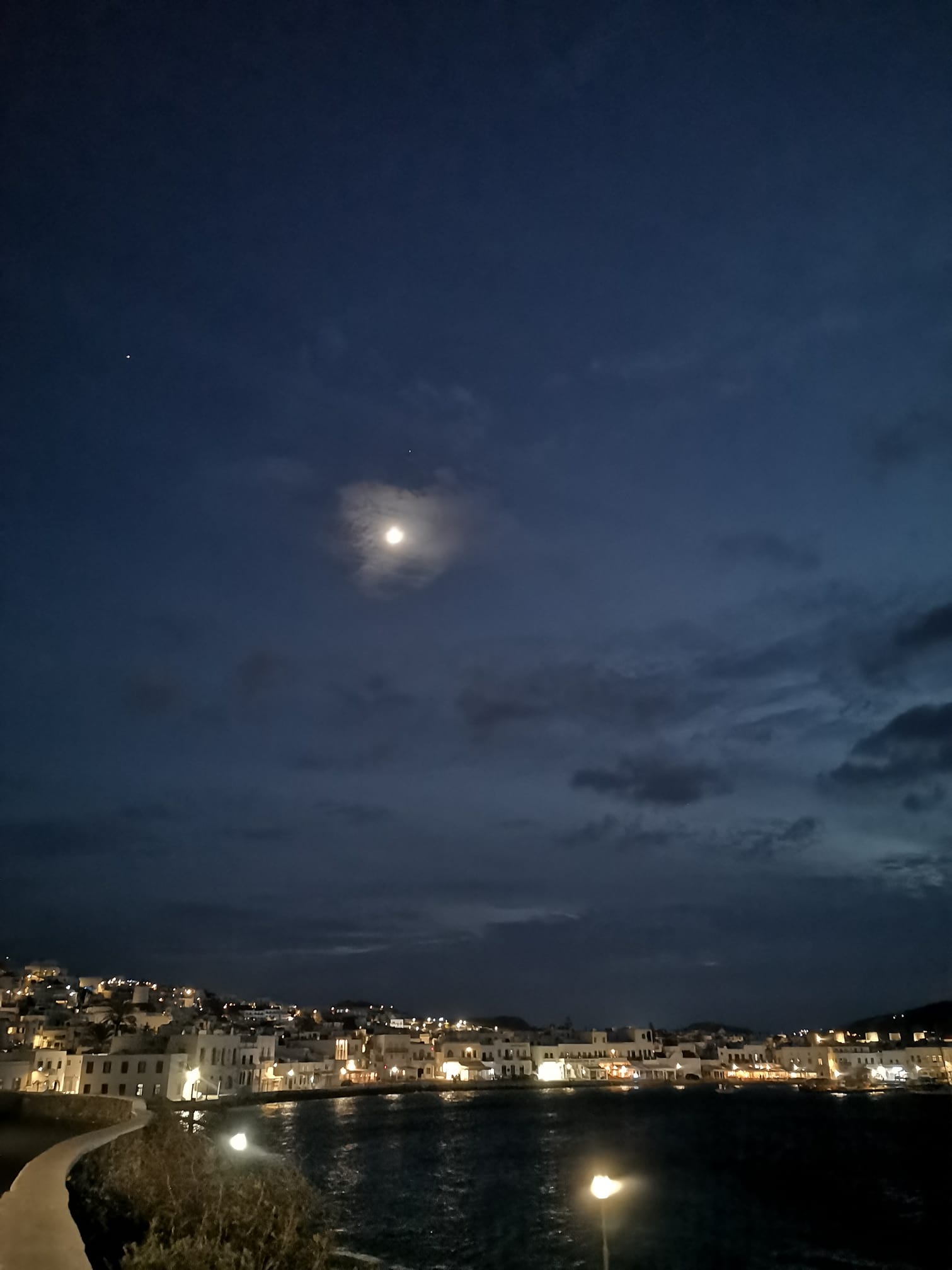
The first day of summer?
For most of the world, this is true. In some places, the solstice is looked upon not as the start of summer, but rather as midsummer.
In Sweden or Norway at this time of year, you would find the local inhabitants celebrating a local holiday known as Midsummer’s Day, which by ancient custom falls on June 24. In northern Scandinavia, because of the extreme tilt of the earth, the phenomenon of the midnight sun at solstice time is celebrated. At night, fires are lit in the mountains in other parts of Europe.
So were the bonfires of the Midsummer celebrations brought from the north to the Greeks or did the Greeks spread the custom north?
Today the only thing that really counts is enjoying the extended daylight!
Make sure to enjoy a good part of your day outside–but for those of us in Mykonos we may need to put a few rocks in our pockets as the gale winds are having their own blast!
 Stacey Seaside
Leave a comment