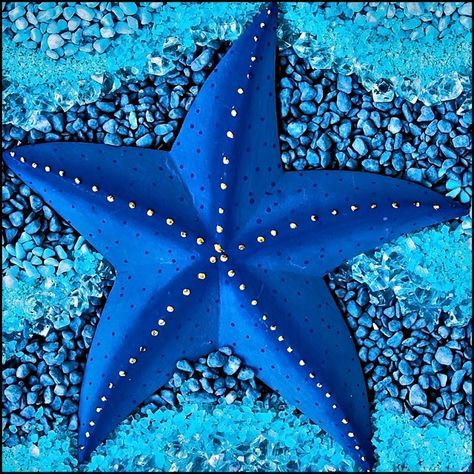
Do you like the color blue?
I love the color blue.
What is so attractive about this color?
Why does it go from blue to bluetiful for me?
On June 13 here in Greece there is an overwhelming attraction to blue.
With temperatures that have reached 44c –that’s 112 F–blue promotes coolness.
Not only of course in terms of temperature but in being “in.”
The attractiveness of blue is multifaceted.
For me it offers the psychological comfort of peace.
Others find blue appealing and soothing.
What we see
Scientifically speaking, we see a color based on the light it absorbs from the color spectrum.
The existence of the color blue in nature usually relies on chemistry, physics, or a combination of both sciences

Blue is known to be the rarest color found in nature.
Blue sky and ocean surround us.
I always seem to be pointing my phone at the sea or the sky to grab yet one more shade of blue.
But what else is blue in nature?
There are bluebirds, blue fish, blue bugs and even blue flowers.
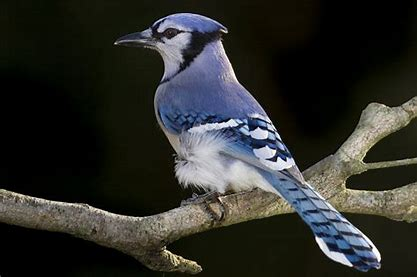
Blue Jay: A North American bird known for its vibrant blue plumage.
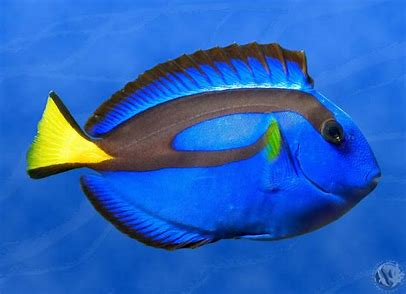
Blue Tang: Also known as the Regal Tang, this fish is famous for its bright blue color and was popularized by the movie “Finding Nemo.”
Blue Morpho Butterfly: Found in Central and South America, its wings have a bright, iridescent blue.
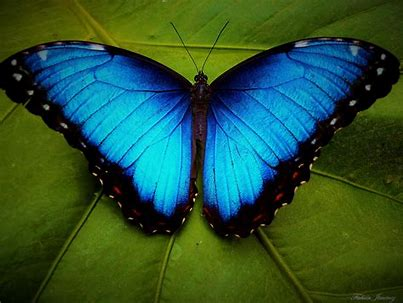
Bluebells: A popular spring flower in Europe with bell-shaped blue flowers.
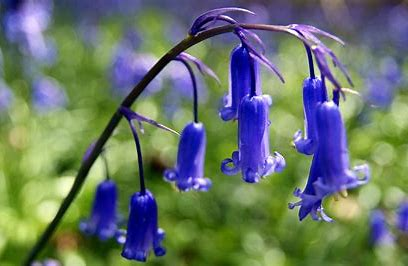
These unique organisms leave us in awe yet are hard to find.

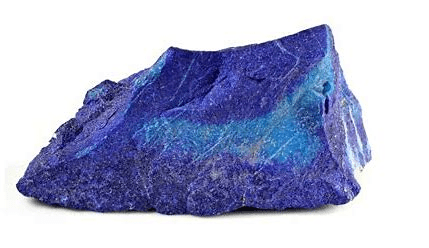
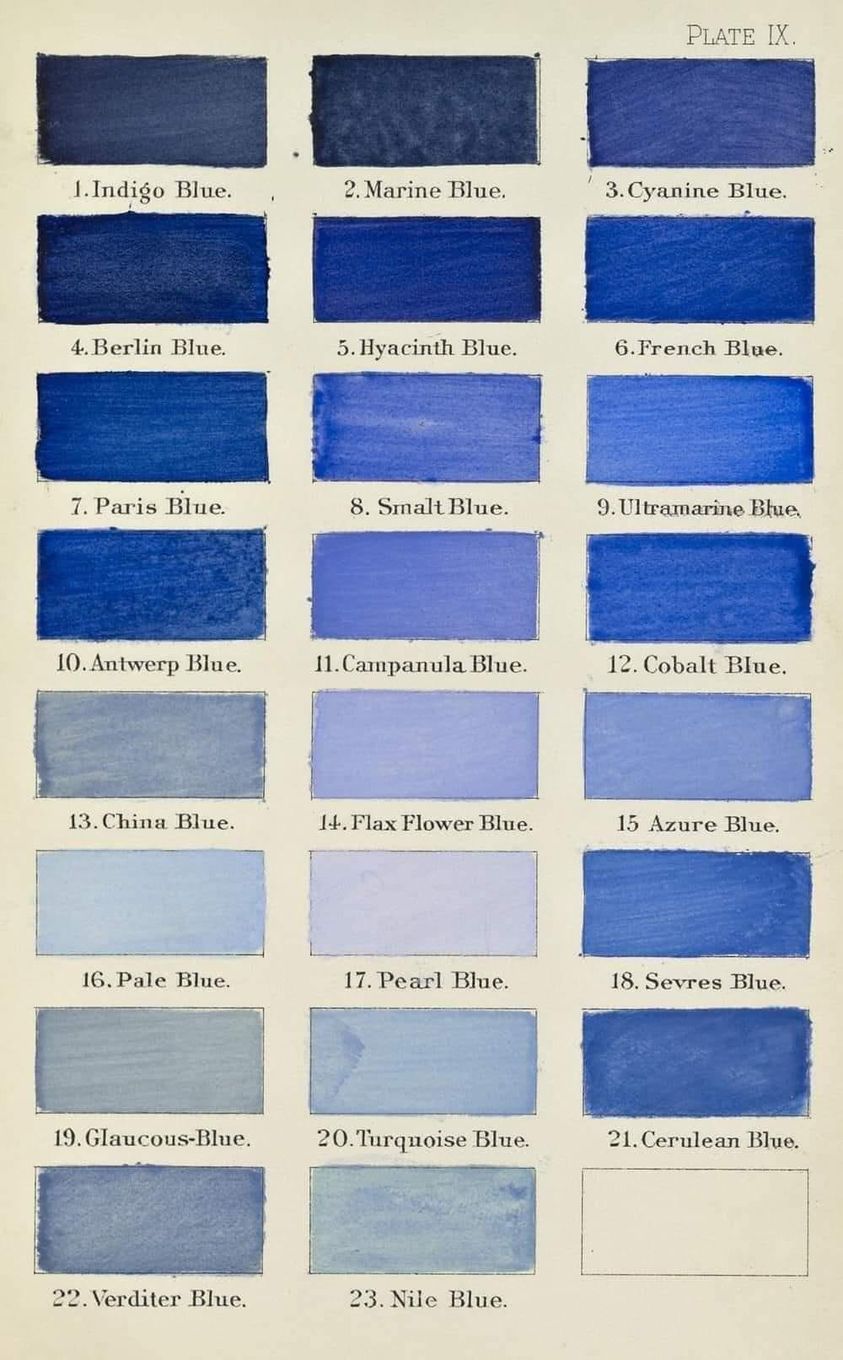
Blue has been an important colour in art and decoration since ancient times. The semi-precious stone lapis lazuli was used in ancient Egypt for jewellery and ornament and later, in the Renaissance, to make the pigment ultramarine, the most expensive of all pigments. In the eighth century Chinese artists used cobalt blue to colour fine blue and white porcelain.
In the Middle Ages, European artists used it in the windows of cathedrals. Europeans wore clothing coloured with the vegetable dye woad until it was replaced by the finer indigo from America. In the 19th century, synthetic blue dyes and pigments gradually replaced organic dyes and mineral pigments.
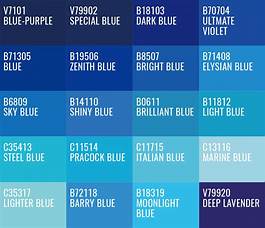
Dark blue became a common colour for military uniforms and later, in the late 20th century, for business suits. Because blue has commonly been associated with harmony, it was chosen as the colour of the flags of the United Nations and the European Union.
Blue, a hue cherished and celebrated throughout the annals of history, carries a significant importance due to its rarity and the expense associated with its production.
Blue, a color that commands a unique position in the color spectrum, has permeated various aspects of our lives, imbuing them with profound meanings and emotions. As the color of the sky and sea, it has been a ceaseless source of inspiration and symbolism throughout history and across cultures.
In the United States and Europe, blue is the colour that both men and women are most likely to choose as their favourite, with at least one recent survey showing the same across several other countries, including China, Malaysia, and Indonesia
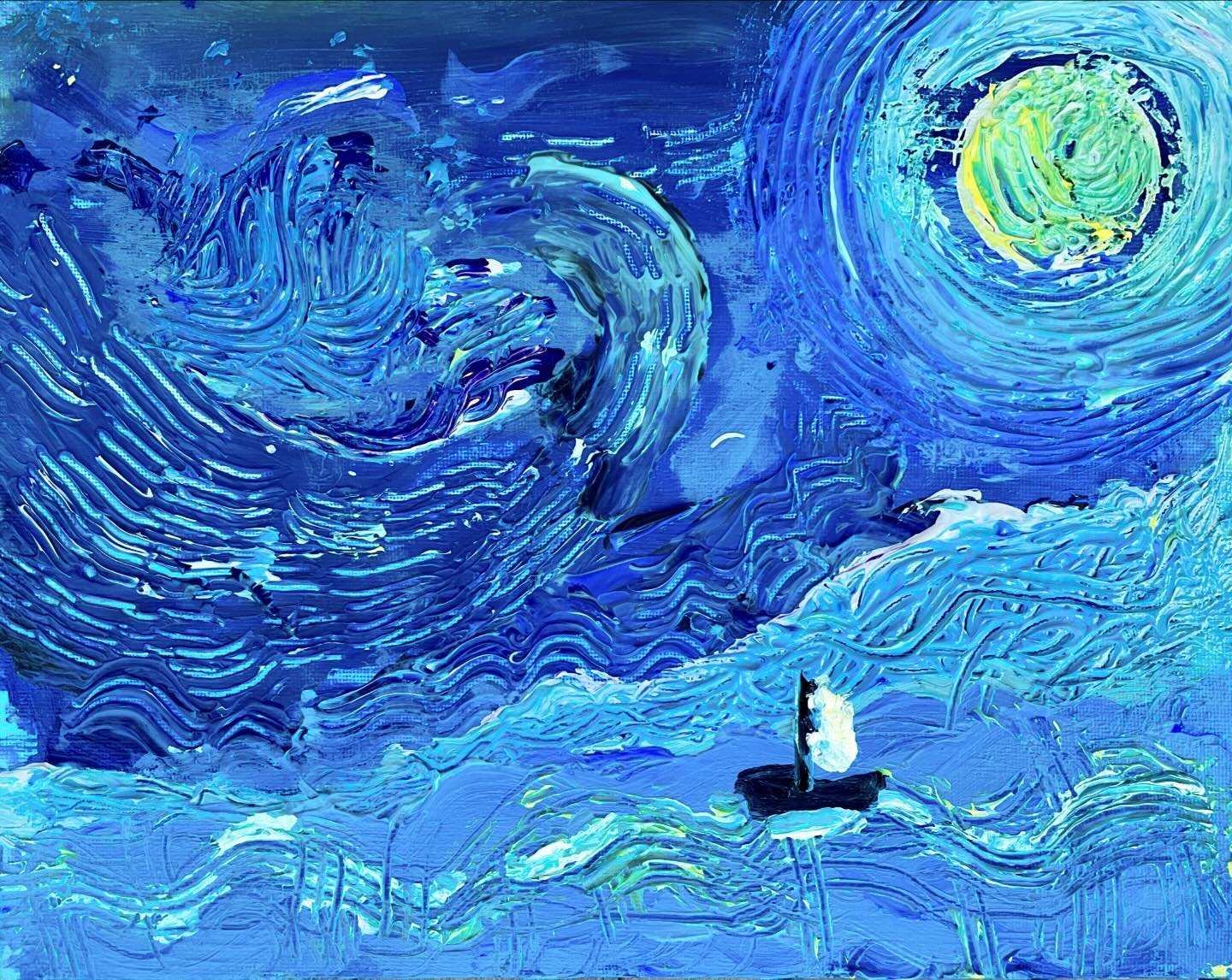
The modern English word blue comes from Middle English bleu or blewe, from the Old French bleu, a word of Germanic origin, related to the Old High German word blao, meaning ‘shimmering, lustrous.
Blue has a long and fascinating history
Barbaric blue
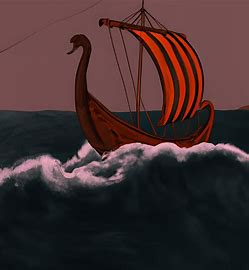
The Greeks and Romans didn’t have a word for the color blue. For Homer, the sea was “wine-red”. Blue was associated with the barbaric Celts who supposedly dyed their bodies blue for battle, women with blue eyes were thought to have loose morals, and descriptions of the rainbow in Ancient Greece and Rome omitted blue altogether.
Although the color was not named, it still existed. In fact, it was one of the several colors used for clothing.
Synthetic blue
The Egyptians loved the precious stones lapis and turquoise so much that they invented the first synthetic blue pigment in order to affordably copy their unique color. “Egyptian blue” was made by mixing silica, lime, copper, and alkali, and it could be used on stone, wood, plaster, papyrus and canvas. The many decorative objects that have survived until today attest to the presence of blue in Egyptian life.
Royal blue
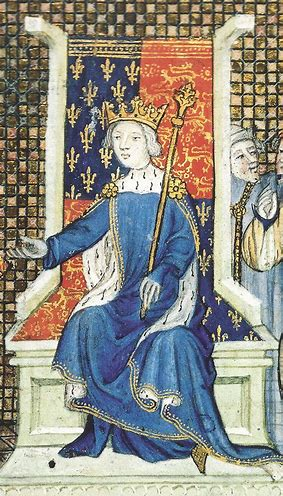
In Early Modern Europe, blue textile dye was made from woad, a flowering plant native to the Mediterranean. During the Middle Ages, the cultivation of woad in England, France, and Germany helped many towns and regions become extraordinarily rich. However, because the dye was expensive to produce and not steadfast, it was used by the wealthy and became associated with nobility. The working class wore brown and green while the Kings wore blue.
Virginal blue
Blue wasn’t only an expensive textile dye, it was also an extremely expensive pigment for painters. Because of its cost, it was only used for the most important subjects.
In the Renaissance, nobody was more important than the Virgin Mary. She was almost always painted wearing blue, the color became synonymous with purity, humility, and the divine.
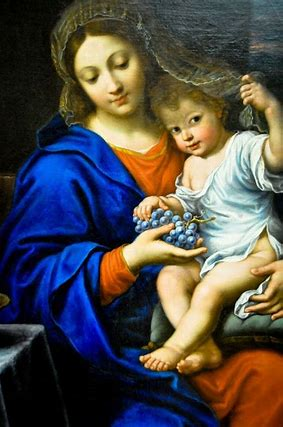
Ultramarine bling
Painters had to grind up the semi-precious stone lapis lazuli in order to make ultramarine, the deep blue pigment that is the hallmark of many Renaissance paintings. The name comes from the Latin ultramarinus, meaning “beyond the sea”, because the stones were imported from mines in Afghanistan by Italian traders in the 14th and 15th century. Ultramarine was so expensive that some paintings were never finished because the painter couldn’t afford to buy more pigment. Even Michelangelo couldn’t afford it and Raphael used it only for a top coat.

Cobalt porcelain
Chinese blue and white porcelain has been highly prized since the 9th century. In the 14th century, China began to mass produce very fine, translucent white and blue porcelain in the town of Jingdezhen. This “blue and white ware”, as it was known, used cobalt brought through trade routes from Persia. Cobalt was twice as expensive as gold. Once made, the porcelain was then sold back to the Middle East. Many of these beautiful pieces mix Chinese porcelain techniques with Islamic motifs.
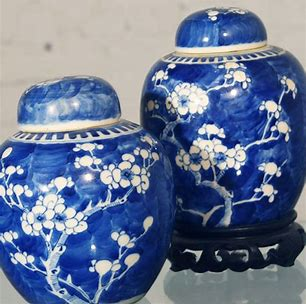
Copy it…
The Europeans tried to copy Chinese porcelain for hundreds of years. China and porcelain were so intertwined, that porcelain was often simply called ‘china.’ When the secrets were eventually leaked in the early 18th century, manufacturers sprang up all over Europe attempting to make local equivalents. Josiah Wedgwood set up his English firm in 1759 where he perfected a new technique called ‘jasperware’. It took him 3,000 attempts to get the right shade of ‘Portland Blue’ for his first piece, which was inspired by the Roman-era “Portland Vase” on view in the British Museum.
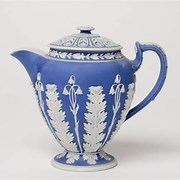
Indigo Rocks trade
Blue was expensive to use for paintings and porcelain, but it was much cheaper to use for clothing. Over time, blue fabric became so common in Europe that it was worn by men and women from all social classes. But the arrival of a new blue dye called ‘indigo’ rocked the European textile trade in the 16th century. Imported from Asia, indigo was more concentrated and produced a richer, more stable blue. Fearing for the national textile economy, the French, German, and British governments tried to block the import of indigo in the 16th and 17th centuries. The blockade was in vain and indigo eventually replaced woad, destroying several industrial centers in the process.
Blue Jeans
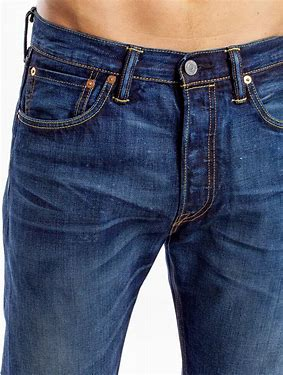
Jean fabric was first produced in Genoa, Italy in the 17th century; the French city of Nimes copied the technique shortly after, And so we arrived at the name “denim” –fabric de Nimes. The cotton twill fabric, dyed with indigo, was sturdy and washable, making it perfect for workers. Levi Strauss patented the use of metal rivets to reinforce the seams on denim pants in 1873.
The purest blue of all
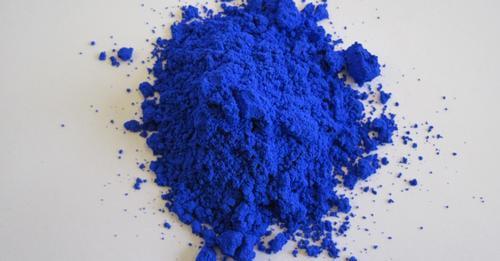
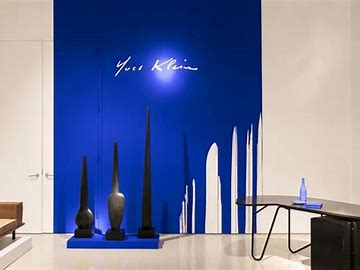
Between 1947 and 1957, the French artist Yves Klein perfected what he considered the purest blue of all. He registered International Klein Blue (IKB) as a trademark and the deep ultramarine became his signature. He painted over 200 canvases with the color, as many sculptures, and even painted models in IKB so they could “print” their bodies onto canvas. Klein considered his blue “extra-dimensional,” meaning that it would take the viewer outside the canvas itself.
In Mykonos we even had an Italian restaurant called Yves Klein Blue!! God love dear Dia with her chutzpah for daring new businesses back in the 90s. It did take 10 coats of paint to cover the walls and ceiling as the entire interior was coated in that deep beautiful blue!!
What traits does BLUE represent?
Who is most likely to be drawn to BLUE?
So many friends have said “Blue is you!”
I was forced to research my own attraction to the hue of blue.
Who is blue?
Blue is the helper, the rescuer, the friend in need.
It is a giver, not a taker.
It likes to build strong trusting relationships and becomes deeply hurt if that trust is betrayed.
Blue is conservative and predictable, a safe and non-threatening color, and the most universally liked color of all.
Blue is persistent and determined to succeed in whichever endeavours it pursues.
Change is difficult for blue.
Blue is inflexible and when faced with a new or different idea, it considers it, analyzes it, thinks it over slowly and then tries to make it fit its own acceptable version of reality.
Blue is nostalgic. It is a color that lives in the past, relating everything in the present and the future to experiences in the past.
Blue is reliable and responsible; it exhibits an inner security and confidence.
Blue can take control and do the right thing in difficult times.
Blue has a need for order and direction, including its living and workspaces.
Blue seeks peace and tranquillity above everything else, promoting both physical and mental relaxation.
Blue reduces stress, creating a sense of calmness, relaxation and order.
It slows the metabolism. The paler the blue the more freedom we feel.
Blue is idealistic, enhancing self-expression and our ability to communicate our needs and wants.
Blue is the color of the spirit, devotion and religious study. It enhances contemplation and prayer. On the other hand, blue’s devotion can be to any cause or concept it believes in, including devotion to family or work.
Blue is the color of vast, essential elements like the sky and water, which are crucial for survival. This may have ingrained a positive response to blue in humans over time.
Blue is relatively rare in nature, particularly in foods and flowers, which makes it stand out and be more noticeable and intriguing when it does appear.
Clear blue skies often indicate good weather and safe conditions, which may contribute to a natural preference for the color.
Blue light has shorter wavelengths and higher energy compared to other colors in the visible spectrum. This can make blue objects appear more vivid and striking.
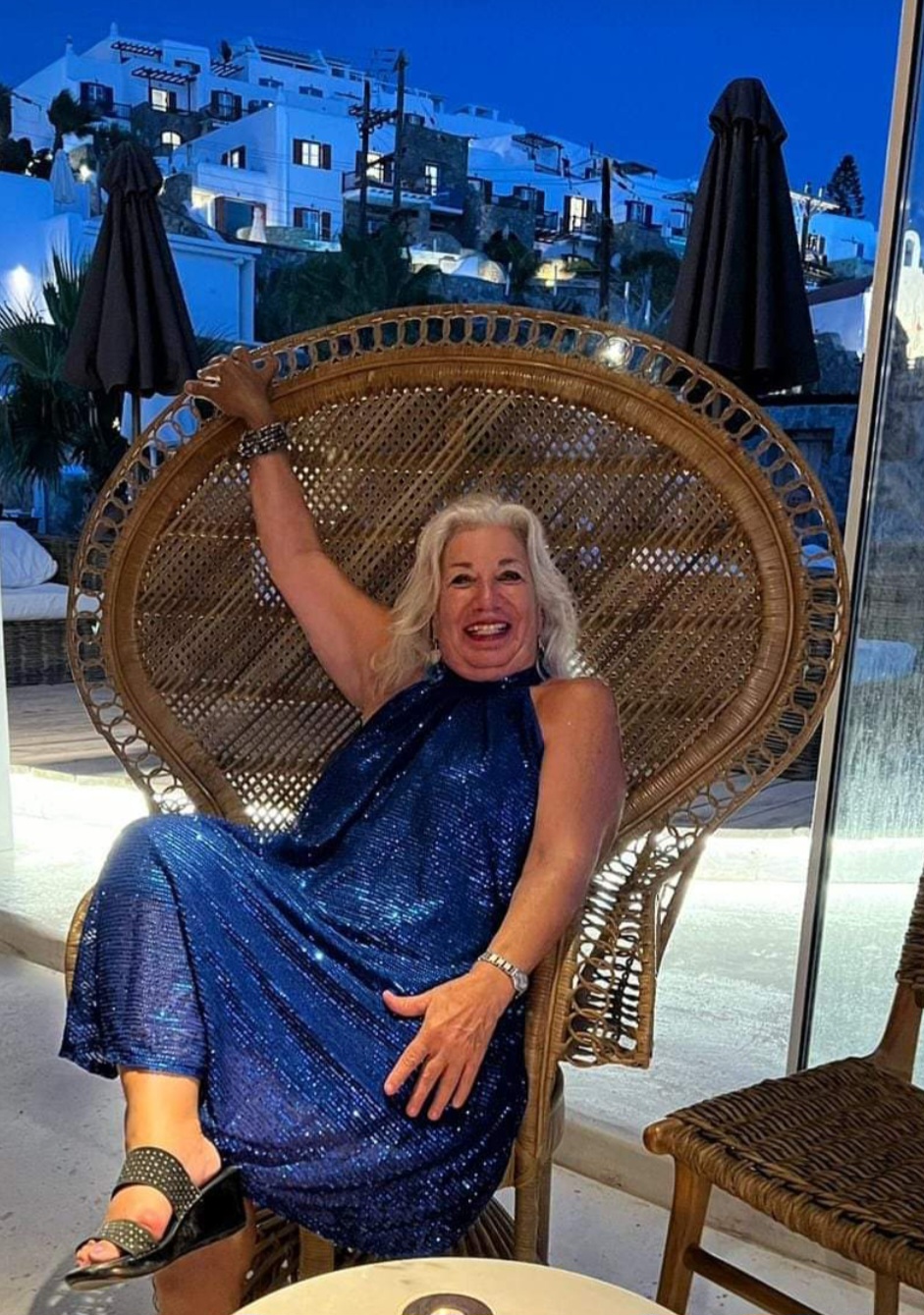
My hue is blue and I call it bluetiful!
What is your favorite color? Take this quiz to see what your favorite color reveals about you.
Why do you think you are attracted to it?

 Stacey Seaside
Leave a comment